
The modern gaming industry has developed a peculiar relationship with anticipation. Every year, millions of players gather around livestreams to watch trailers for games they might not be able to play for several years, celebrating cinematic reveals, familiar franchises, and carefully orchestrated glimpses of future experiences. Summer Game Fest 2026 continued that tradition with nearly fifty announcements and updates, including Resident Evil: Veronica, Final Fantasy VII Remake Revelation, and new looks at several highly anticipated projects. Yet beneath the excitement lies an increasingly relevant question. Has the anticipation surrounding video games become an entertainment product in its own right?
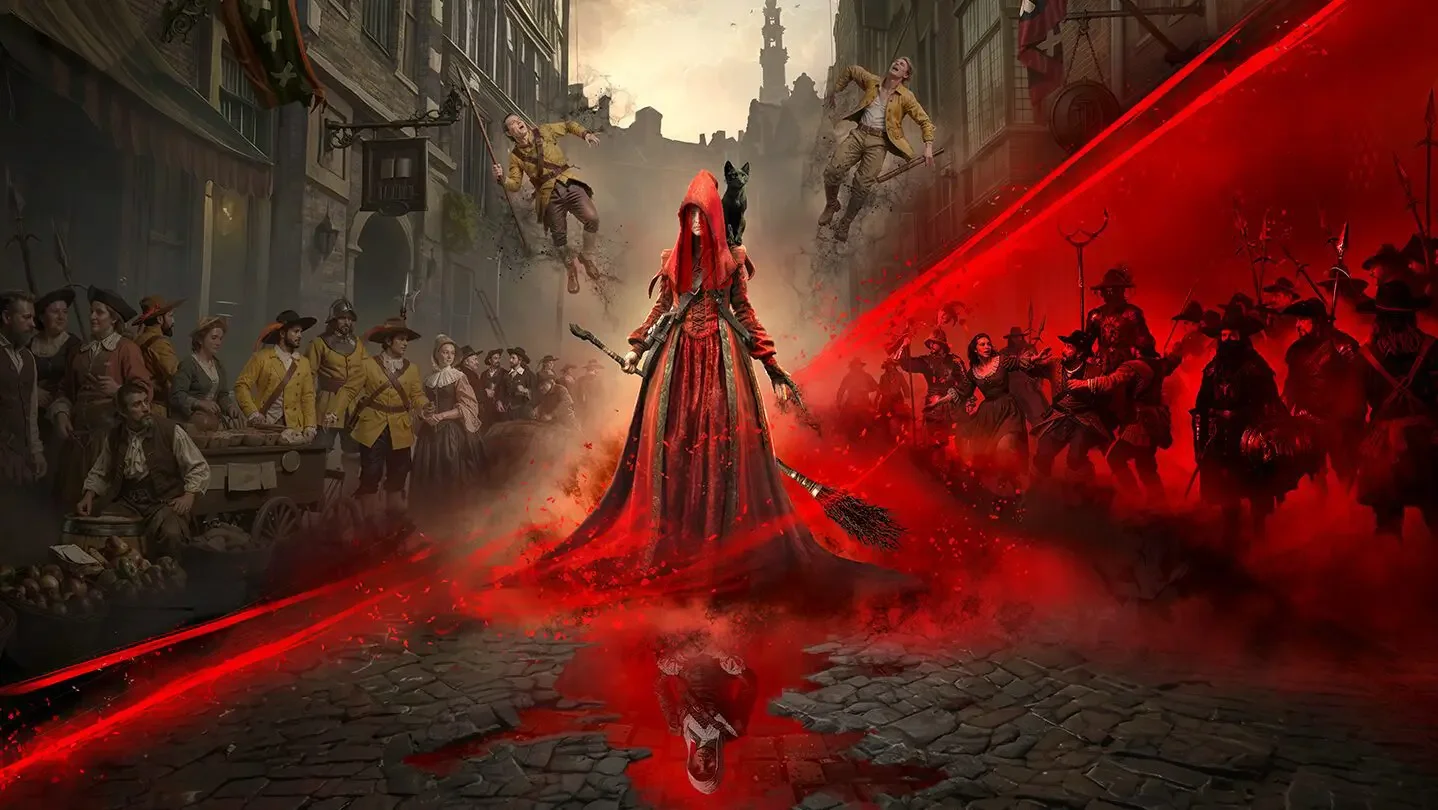
The transformation of gaming showcases into major entertainment events reflects a broader change in how publishers communicate with audiences. A trailer is expected to generate immediate excitement, establish an identity, and circulate across social media long before players can meaningfully evaluate the underlying game. Cinematic presentation naturally thrives under these conditions, while mechanics, systemic complexity, and actual player agency are considerably harder to communicate in a two-minute promotional video. Consequently, games can acquire reputations based on their aesthetic promises rather than their interactive qualities. The audience begins constructing expectations around experiences that remain largely theoretical, sometimes creating a disconnect between what developers intend to deliver and what players imagine they are being promised.
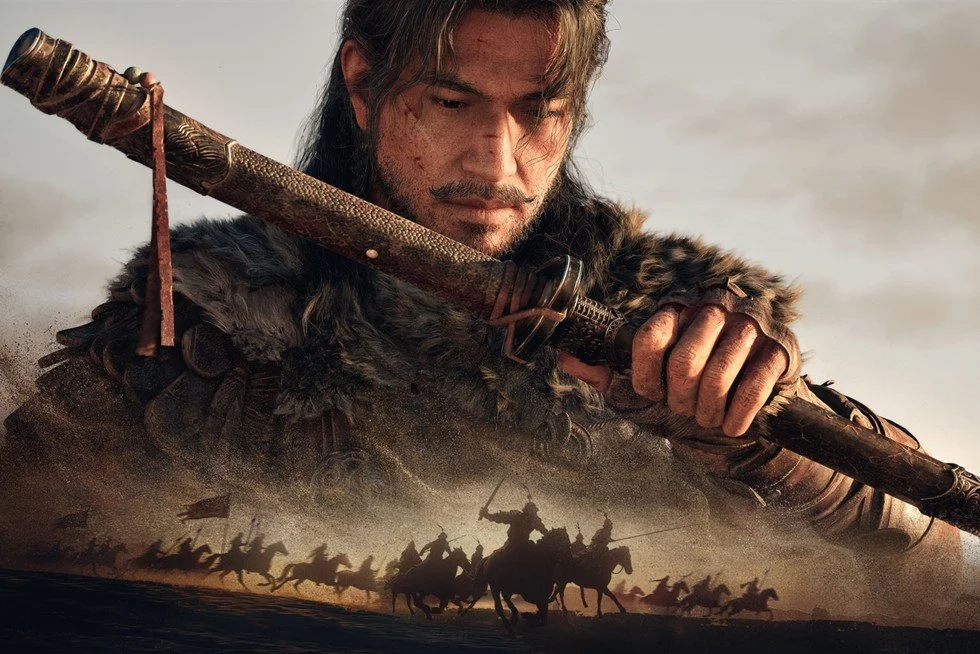
None of this makes showcases inherently problematic. They remain valuable opportunities for smaller developers to reach audiences and for established studios to celebrate years of creative work. The concern is how thoroughly anticipation has become embedded in the industry's commercial machinery. When excitement itself becomes a measurable commodity, the pressure to announce early, impress immediately, and maintain public attention can distort the relationship between development and marketing. Summer Game Fest remains an entertaining celebration of gaming, but its greatest contribution may also be its greatest weakness: it reminds us how much of contemporary gaming culture revolves around games we have yet to play.
