

ALTERNATE REALITY GAMES - DIVING DEEPER
Alternate Reality Games occupy an unusual position within interactive media because they stretch the definition of what interaction itself means.

ALTERNATE REALITY GAMES - WHEN GAMING LEAVES THE SCREEN
An Alternate Reality Game, often abbreviated as ARG, is a form of interactive experience that extends beyond the boundaries of a single medium

Stop Killing Games - A simple breakdown
The “Stop Killing Games” initiative, driven in part by consumer advocacy efforts such as Stop Killing Games, emerged as a response to a growing frustration among players across Europe.

RAM PRICES - MODERN GAMING IN DANGER ?
Over the past few years, fluctuations in memory pricing have started to matter more than players might realize. As costs rise or stabilize, manufacturers are forced to make decisions that directly impact performance, longevity, and accessibility.

LOST IN TRANSLATION - HOW GAMES CHANGE ACROSS LANGUAGES
Localization is often treated as a technical step. Text is translated, voice lines are recorded, menus are adjusted, and the game is considered ready for a new audience.

PARADOX INTERACTIVE AND THE ECONOMICS OF ENDLESS DLC
Few studios have tied their identity so closely to a business model as Paradox Interactive. Over the past decade, the company has built a reputation not only for grand strategy games, but for how those games evolve after release.
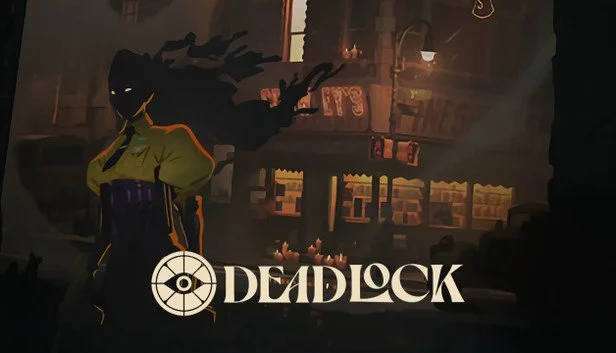
DEADLOCK IS A GAME MADE BY VALVE
It is rare for a closed beta to outperform a fully released competitor, yet Deadlock has been doing exactly that. Despite limited access, invite-only entry, and almost no traditional marketing push, the game has already surpassed Marvel Rivals in active player counts…
THE TRUTH BEHIND A GREAT REMAKE
Remakes are often judged on what is easiest to see. Graphics, animations, voice acting, modern controls. A side by side comparison quickly forms, and the conversation tends to stay at that level, where fidelity becomes…
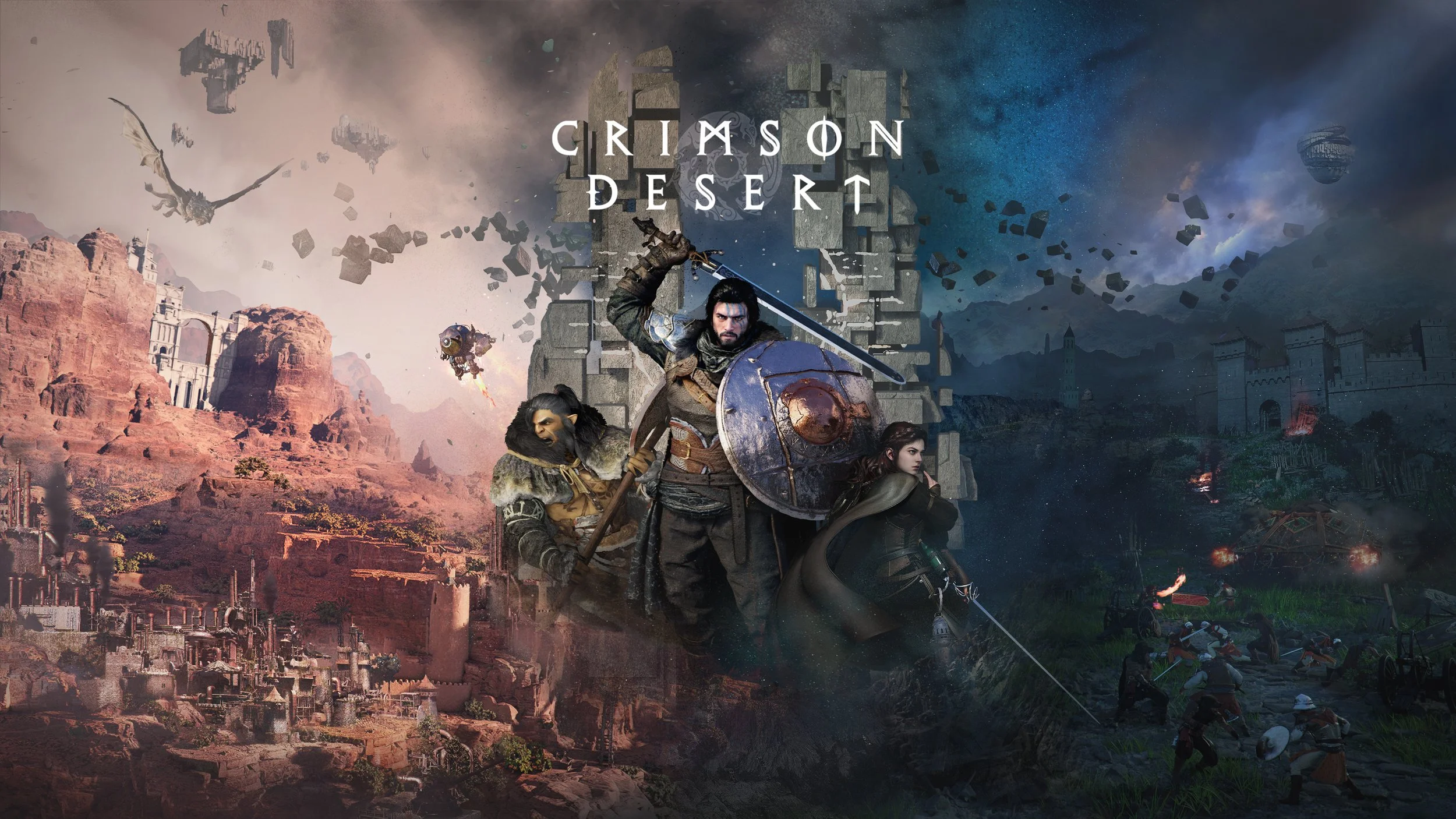
CRIMSON DESERT AND THE PROBLEM OF MODERN REVIEWERS
Few games have carried as much expectation as Crimson Desert in recent years. Years of trailers, technical showcases, and promises of scale built it up into something close to a flagship release. When early impressions and scores finally dropped, the reaction was immediate and split.

THE TETRIS EFFECT: WHEN GAMES SHAPE HOW WE THINK
Most games end when the player stops playing. The screen goes dark, the controller is put down, and the experience fades back into memory. Yet some games refuse to stay confined to the screen. They linger in the mind.
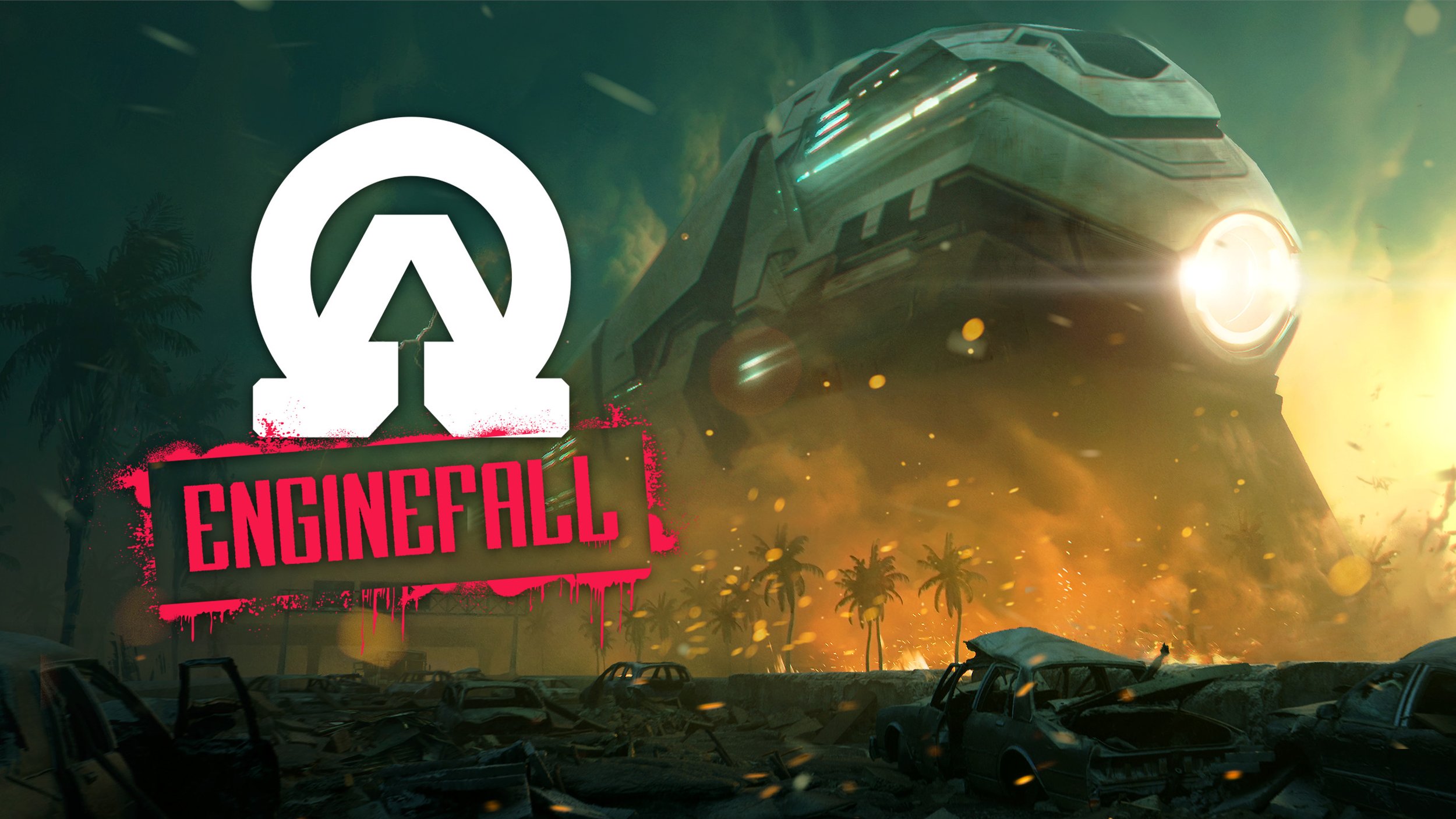
ENGINEFALL: WHEN SURVIVAL MEETS THE EXTRACTION GENRE
On one side stand extraction shooters like Arc Raiders, fast, tense built around high risk and short commitment. On the other sits Rust, the archetype of long-form survival where time investment defines power and stepping away can cost weeks of progress. Enginefall enters the conversation by asking a deceptively simple question: what if survival required more than an hour, but less than a week/month long commitment?
What Is Procedural Rhetoric in Video Games? A Clear Explanation
Procedural rhetoric in video games refers to the way games express ideas through their rules, systems, and mechanics rather than through traditional storytelling alone. Instead of telling players what to think, games can make arguments by shaping what players are allowed to do, what consequences follow, and how systems respond to their actions.
THE ERA OF “FRIENDSLOP” GAMES - WHAT IS IT?
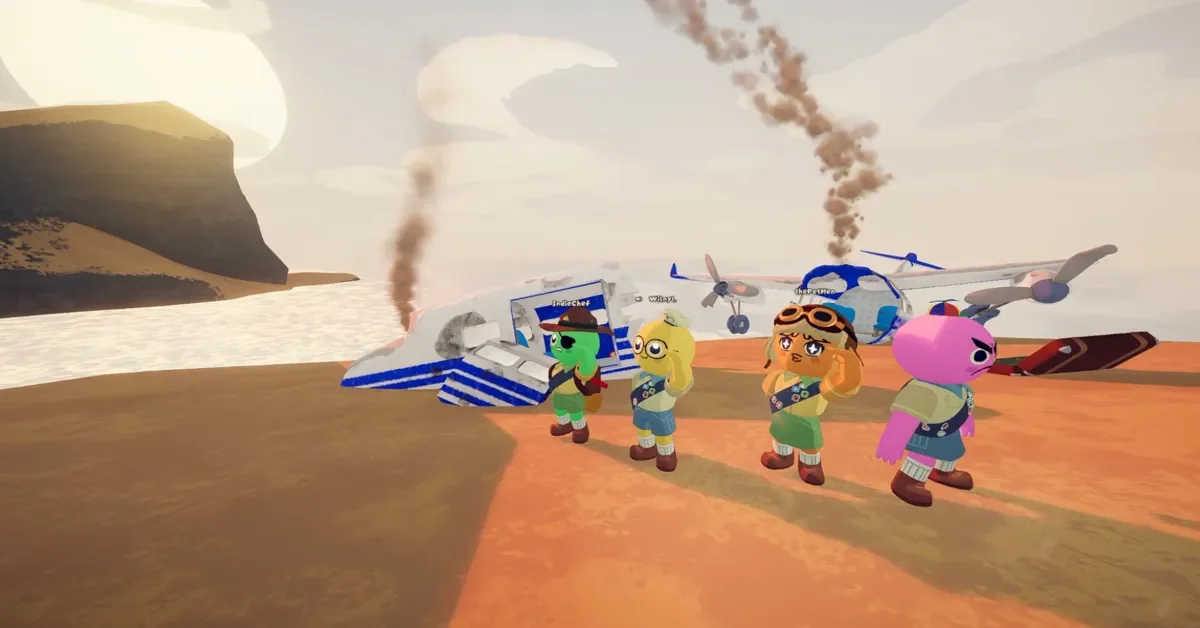
“Friendslop” is a semi-ironic term that emerged online to describe a particular wave of cooperative multiplayer games that thrive on chaos, jank, and shared absurdity. The word “slop” is intentionally provocative. It suggests messiness, rough edges, low polish, even disposability. Yet the “friends” qualifier changes everything…
PROCEDURAL RHETORIC: THE MOST POWERFUL FORM OF PERSUASION
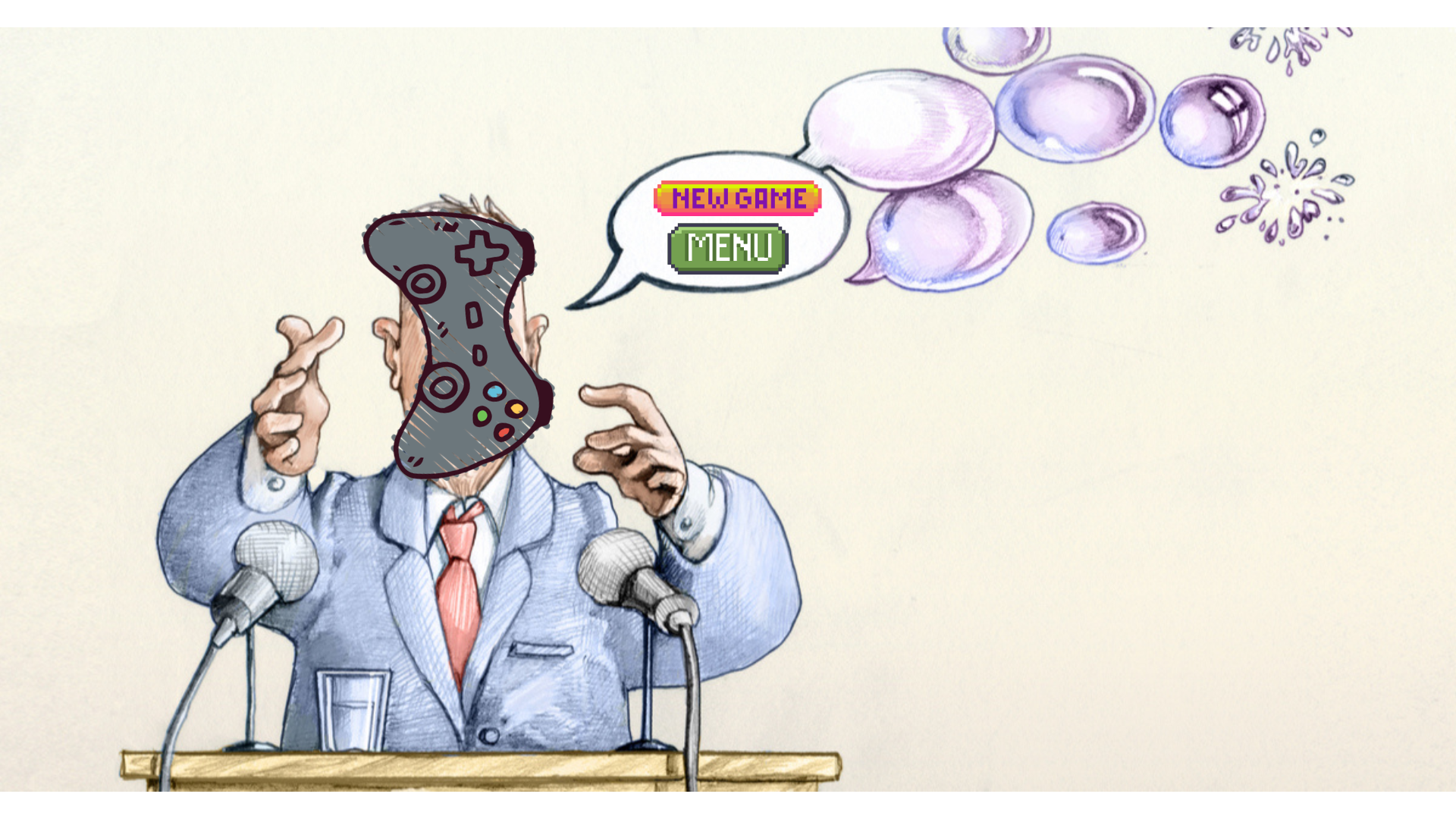
Procedural rhetoric often feels elusive because it does not operate where we expect rhetoric to live. When we think of persuasion, we imagine speeches, manifestos, cinematic monologues, political ads, or emotionally charged dialogue. We look for statements. We look for claims. We look for language. When someone defines procedural rhetoric as persuasion through mechanics, the phrase sounds clinical. It lacks imagery. It lacks narrative drama. It sounds like boring theory on a monday morning.

THE INDUSTRY OF WAR: FOXHOLE’S PLAYER DRIVEN WAR ECONOMY
In Foxhole, the most distinctive system is its player driven war economy. Every weapon is manufactured. Every vehicle is assembled. Every crate of ammunition is transported by another human being. Combat depends on labor. Loss depends on supply. The question this article explores is straightforward: what is Foxhole attempting to persuade the player of through this industrial design?

THE PROCEDURAL ONTOLOGY PYRAMID: READING POLITICS IN GAMES
When we play, it feels like freedom. We choose where to go, what to do, how to act. But behind every moment of agency in a video game lies a hidden architecture of systems guiding, nudging, and sometimes deceiving us.
WHEN GAMES ARGUE: PHILOSOPHY AND THE RHETORIC OF GAMES
Most people think of video games as stories with buttons. A hero, a quest, some dialogue, and maybe a branching ending. But games do more than just tell stories. They argue.
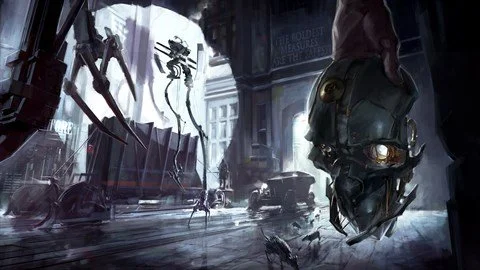
FREEDOM IN DISHONORED: HOW ARKANE TURNED GAMEPLAY INTO PHILOSOPHY
Dishonored persuades by procedure. Arkane Studios designed it so that how you play is what shapes the narrative. In other words, the game itself becomes an argument, a playable philosophy. But how does it accomplish that ?