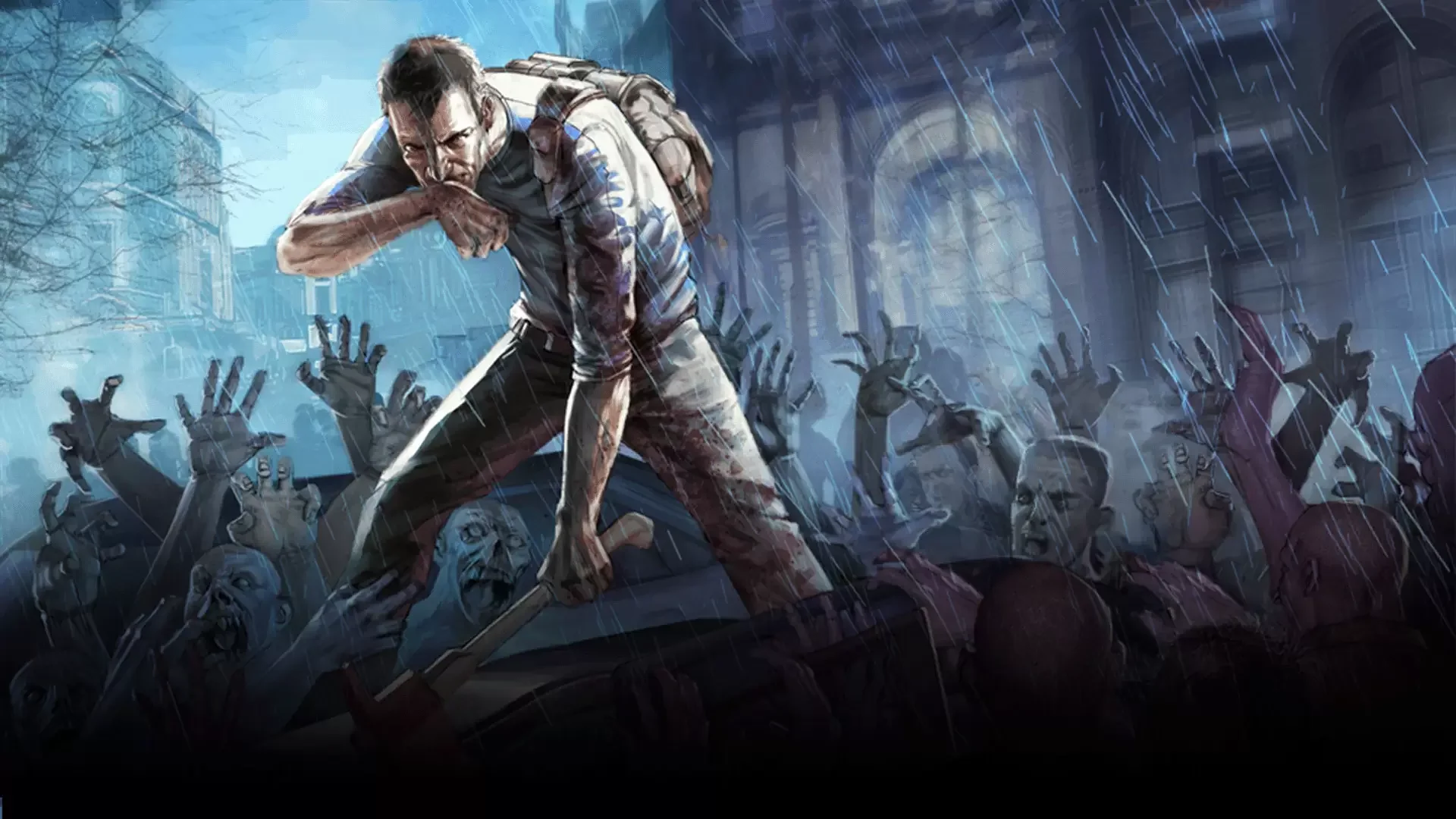
For over a decade, Project Zomboid has cultivated one of the most demanding survival sandboxes in modern gaming. Developed by The Indie Stone, it built its reputation on fragility, realism, and a single blunt premise: this is how you died. The game never relied on spectacle. Its strength has always been systemic depth and slow, deliberate tension.
Build 42, especially its long awaited multiplayer iteration, represents one of the most substantial shifts in the game’s history. Years in development and heavily discussed within its dedicated community, this update expands crafting systems, deepens simulation layers, and restructures core mechanics adding a new range of “living” beings other than the player survivor. The apocalypse feels denser. Professions matter more. Production chains extend further. Multiplayer, layered onto an already intricate survival framework, changes the rhythm of the experience in fundamental ways.
This review examines Project Zomboid at a pivotal stage in its evolution. Build 42 does more than add content. It recalibrates the ecosystem. With the update finally in players’ hands, it is time to evaluate how the game plays today and what this expanded survival model ultimately offers.
Narrative - 16
Project Zomboid opens with a sparse narrative briefing. Radio broadcasts, emergency bulletins, and environmental hints sketch the outline of a viral outbreak that began in Knox County and spiraled beyond containment. There are fragments of governmental denial, quarantine failures, and societal collapse. The framing is minimal but effective. It provides context without overexposure. The apocalypse feels grounded, almost bureaucratic in its inevitability.
Once play begins, however, structured narrative disappears. There are no questlines, no scripted character arcs, no mission markers guiding progression. The game does not attempt to tell a story during play. Instead, it provides a condition: you are alone, supplies are scarce, and death is permanent. Meaning emerges through survival decisions rather than plot advancement. This restraint suits the design. In a sandbox built on fragility and consequence, imposed narrative would risk constraining the very freedom that makes each death feel personal.
Visuals & Music - 16
Project Zomboid has never positioned visuals as its primary selling point. Built on an isometric perspective with stylized character models and restrained environmental detail, the presentation reflects its indie origins. Textures are simple, animations can appear quite stiff, and the graphical fidelity lags behind modern titles. Even so, the world itself carries a quiet coherence. Suburban streets, rural highways, diners, warehouses, forests, and trailer parks form a believable slice of Kentucky. The color palette, muted and simple, reinforces decay without oversaturating the apocalypse. The simplicity works because it remains consistent.
The music rarely commands attention. It rises during moments of danger and fades during routine scavenging, serving more as atmospheric reinforcement than emotional driver. Nothing feels particularly memorable. Sound design, however, stands out. Footsteps on broken glass, the distant thud of a zombie against a door, the metallic scrape of a window being forced open, each effect feels grounded and spatially aware. Audio becomes an information system. You learn to listen before you look. In a game where visibility is limited and death is permanent, that auditory precision carries weight.
Mechanics - 19
Project Zomboid builds its mechanical foundation on familiar survival pillars. Hunger, thirst, fatigue, illness, injury, temperature, and mental state all require constant attention. The systems are layered rather than flashy. A scratched arm can become infected. Poor sleep degrades performance. Panic affects combat effectiveness. Weight impacts stamina and mobility. None of these mechanics are revolutionary in isolation, yet their accumulation creates persistent vulnerability making survival a slow negotiation with decay.
Combat highlights fragility in Zomboid. Melee, the dominant form of engagement, feels deliberate and weighty. Poor swing timing can lead to disastrous outcomes. Positioning matters. A single miscalculated shove can result in your demise. There is no exaggerated power curve since late game characters remain mortal. Violence carries risk at every stage, which sustains the texture of play, tension, long after initial hours.
Looting and inventory management represent one of the game’s strongest systems. Containers are spatially grounded. Items exist physically within the world. Backpacks, car trunks, floor tiles, and cupboards all function as tangible storage. Weight and volume shape decision making. Carry too much and exhaustion sets in. Travel light and you sacrifice preparedness. This constant balancing act encourages meticulous planning to ensure your survival any time you venture out. Safety is mostly temporary. Supplies deplete. Windows break. Generators fail. The sandbox subtly pushes the player toward relocation, scavenging, and adaptation.
This “loot and move to survive” rhythm becomes the defining mechanical loop. Stability breeds stagnation, and ultimately results in failure. In other words, stagnation invites death. The systems continuously erode player comfort and, when mechanics begin shaping behavior this consistently, the analysis moves beyond function and into persuasion.
Procedural Rhetoric - 19
Of course this would not be a PROC3SS review without examining Project Zomboid’s procedural rhetoric. If games persuade through mechanics, then Zomboid’s argument is embedded in fragility, decay, and inevitability. Its systems construct a philosophy of survival.
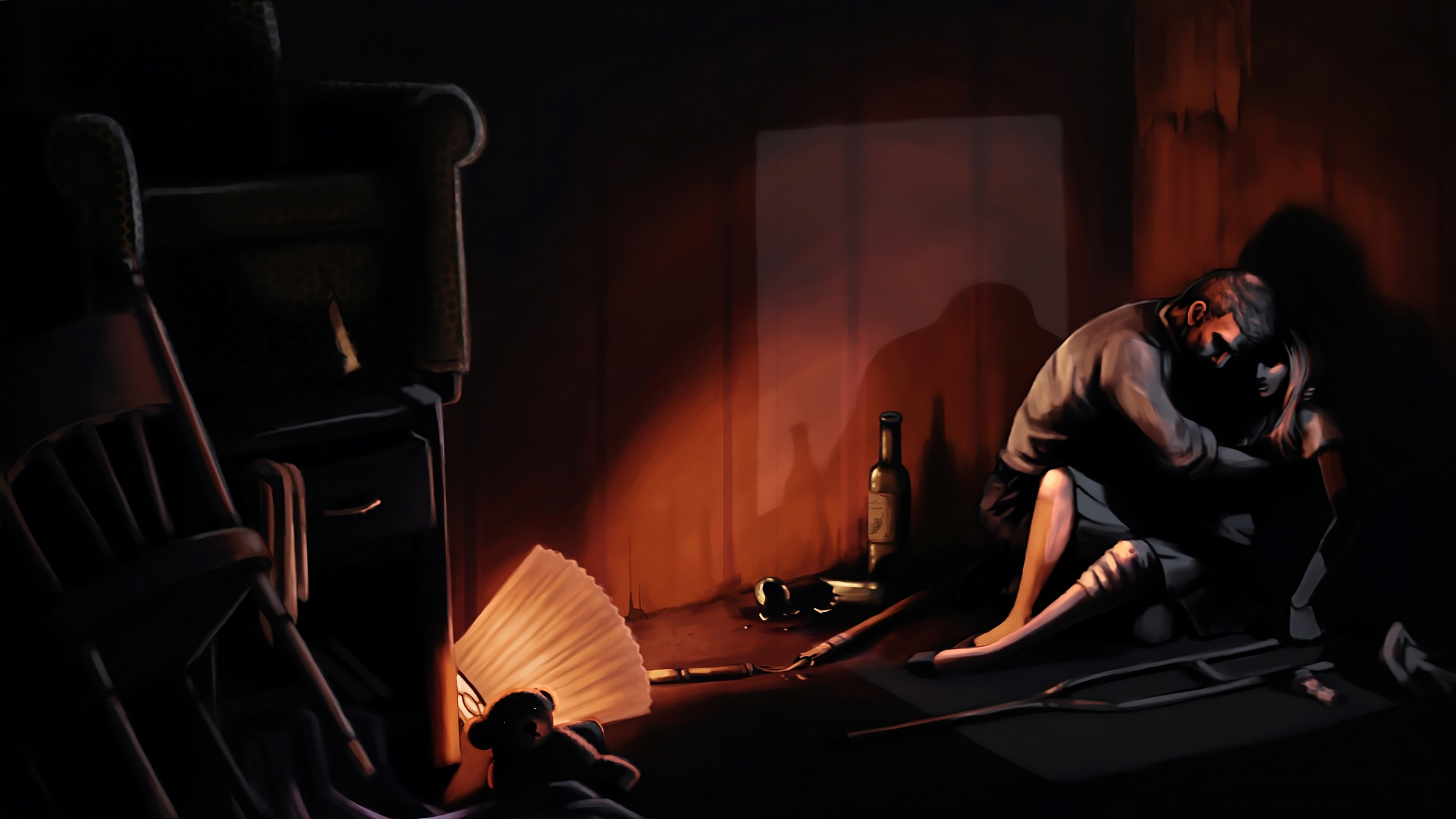
The most immediate rhetorical gesture appears before gameplay even begins. “This is how you died.” The statement is not a threat. It is a premise. Death is not failure in the traditional sense. It is the endpoint toward which all systems quietly move. Hunger rises. Food spoils. Power grids collapse. Water shuts off. Generators require maintenance. Even the safest base could become besieged by a roaming horde of zombies. The game persuades the player that survival is temporary, not triumphant. Herein lies the primary argument that permanence is an illusion. The sandbox loop reinforces this argument. Looting provides short term relief, yet every house emptied reduces future security. Every cleared neighborhood slowly repopulates. Comfort is subject to decay. Something as banal as a minor injury can spiral into infection. The player learns that control is partial and provisional. The world does not exist to be conquered. It resists stabilization.
Yet within this decay lies a second persuasive layer. The sandbox grants remarkable agency. You choose where to settle, what skills to develop, how to approach risk, who to trust. Farmer, mechanic, nomad, carpenter, burglar, group leader, lone wanderer. The systems do not prescribe identity. They allow it to emerge through behavior. Zomboid persuades the player that meaning is self-authored, even when survival is finite. Your story is not written by the game. It is written by your habits, your priorities, your mistakes. The apocalypse provides constraint; the player supplies narrative.
Multiplayer, particularly in Build 42, intensifies the idea of decay and erosion. Shared survival distributes responsibility but does not eliminate vulnerability. Cooperation increases efficiency, yet it also increases exposure. As a player, you’re no longer solely dealing with the consequences of your own mistakes, but also the mistakes of your fellow survivors. More mouths to feed. More risks taken. More chances for catastrophic error. The apocalypse remains indifferent however. Systems outlast characters.
Project Zomboid persuades through erosion. It teaches acceptance of limitation, awareness of consequence, and respect for slow entropy. There is no heroic arc waiting to be unlocked. There is only time, and the gradual negotiation with its passing. The game does not argue that survival is impossible, rather, it argues that survival is finite. And through its mechanics, it makes that lesson experiential rather than theoretical.
The project Zomboid experience - 18
Project Zomboid is stressful by design. Every excursion carries risk. Every sound outside a boarded window demands attention. That tension, sustained over hours, creates a survival experience that feels earned rather than granted. Success rarely arrives in dramatic bursts. It accumulates slowly through preparation, caution, and adaptation. When a safehouse is secured or a crisis is survived, the satisfaction feels genuine.
With friends, the experience expands dramatically. Roles emerge naturally. One player farms. Another scavenges. Someone maintains generators. Someone else fortifies entrances. Shared panic during a sudden horde encounter turns into shared relief when the barricades hold. The sandbox encourages personal narratives. A desperate car escape at dusk. A risky hospital raid for medical supplies. A long road trip to a new town when resources dry up. The game becomes a stage for lived stories rather than scripted ones.
There are moments of friction. Animations can feel stiff. Combat sometimes registers inconsistently. The learning curve remains steep, and early deaths can feel abrupt. At times, the systems lean toward punishing rather than instructive. Even so, the overall experience remains compelling. The blend of tension, autonomy, and emergent storytelling creates a survival loop that is difficult to put down. Project Zomboid demands patience, yet rewards investment with one of the most immersive sandbox experiences currently available.