
Comic Con Denmark 2026 brought fans of gaming, cosplay, film, and pop culture to Bella Center Copenhagen on November 7–8. PROC3SS attended the convention for firsthand press coverage on what it offered gaming enthusiasts, from impressive cosplay and celebrity appearances to panels featuring video game voice actors Troy Baker and Tom McKay. While the event delivered an enjoyable atmosphere and a remarkably enthusiastic cosplay community, its limited video game presence raised questions about how gaming fits into the convention's broader identity. From Hollywood stars and video game voice actors to elaborate cosplay and passionate communities, Comic Con Copenhagen delivered an energetic celebration of pop culture, even if some aspects of the convention left room for improvement. You can find event information on the official Comic Con Denmark website.
First Impressions: A Convention Already in Full Swing
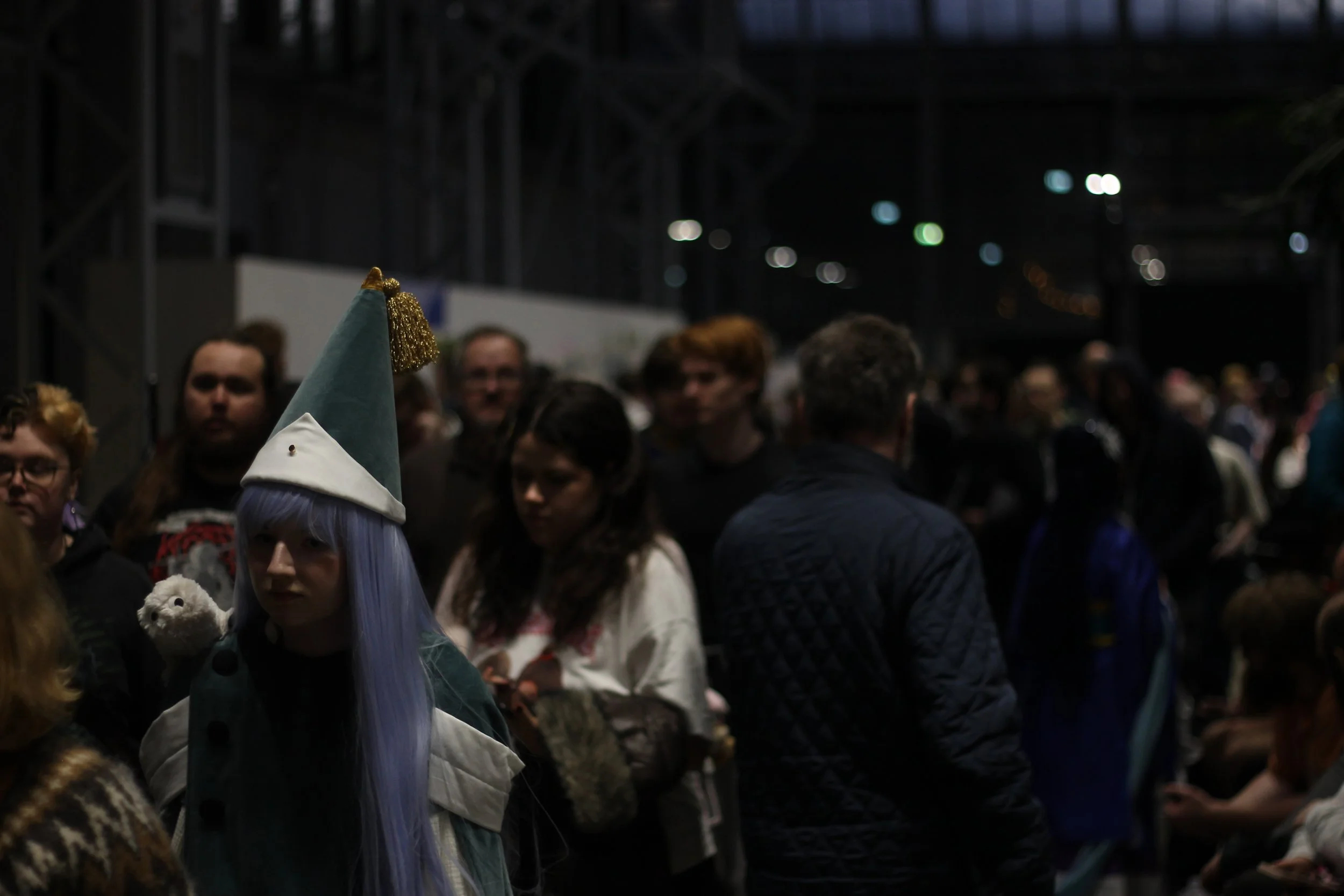
The enthusiasm was apparent well before we reached the exhibition floor. Visitors of all ages had already arrived in costume, transforming the entrance into a colorful gathering of recognizable characters, elaborate outfits, and excited fans. Press accreditation allowed us to bypass the entrance queue, although a roughly twenty-minute wait at the wardrobe provided an early reminder of the logistical challenges that accompany a crowded convention. Once inside, the entrance hall was already bustling with activity. Food stalls and smaller exhibitors lined the space, many offering fan illustrations, prints, and artwork reminiscent of the independent artist communities found online. Some displays leaned into more suggestive interpretations of familiar characters, an interesting choice given the convention's broad age demographic. A smaller stage surrounded by seating provided a space for guest appearances and conversations throughout the day, while the main exhibition hall beyond promised the bulk of the convention's attractions. The atmosphere was immediately welcoming, with a sense that many visitors had come to participate in the celebration rather than simply observe it.
On Stage: Actors, Characters, and the Worlds They Inhabit
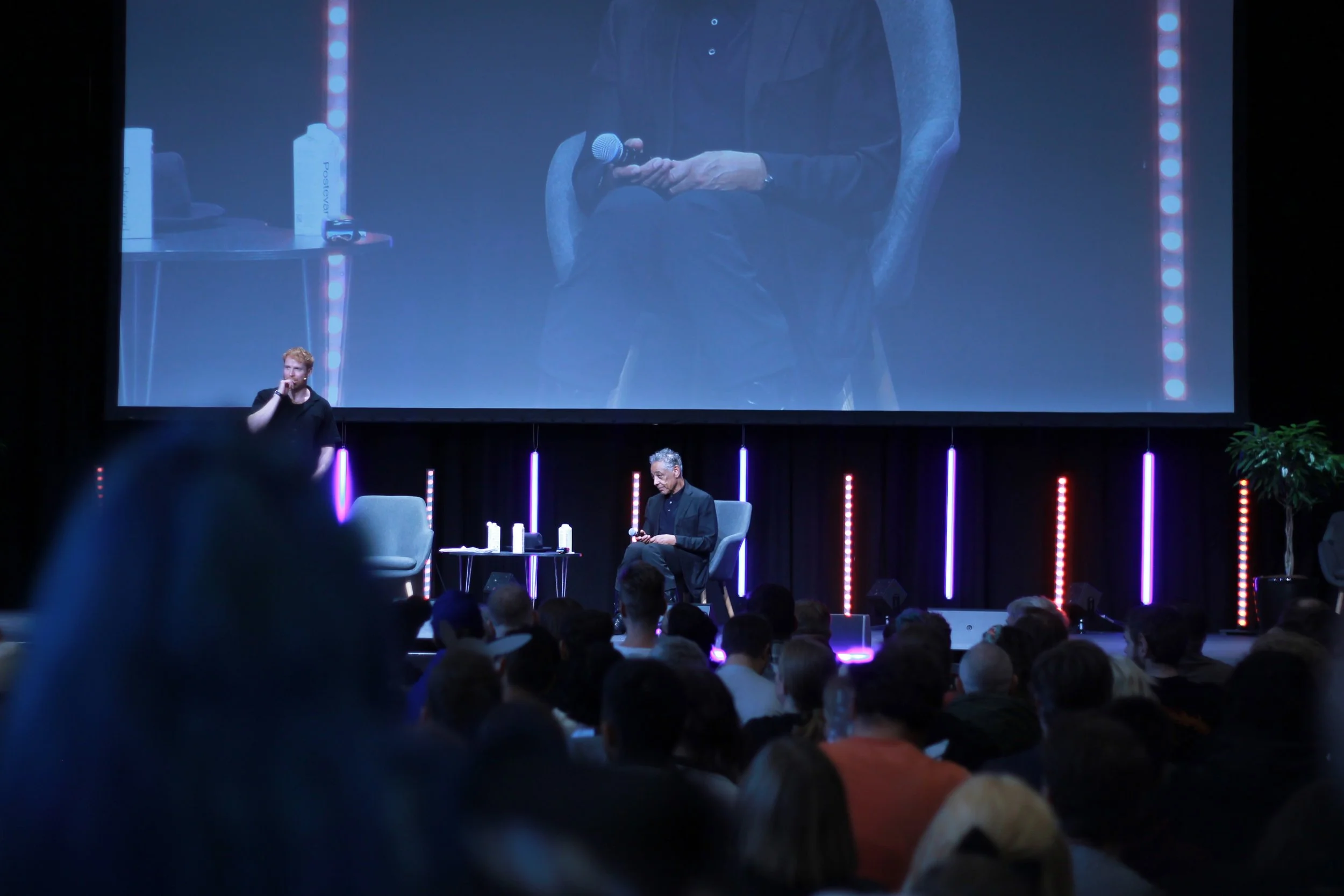
Among the day's biggest attractions was Giancarlo Esposito, whose career spans some of television and cinema's most recognizable performances. His appearance drew considerable attention, and his stage presence quickly justified it. Energetic, articulate, and remarkably comfortable in front of an audience, Esposito spoke at length about his career and his relationship with acting. Although the session was presented as a Q&A, time permitted only a handful of audience questions, leaving much of the discussion in the hands of the guest himself. Some of his remarks carried the familiarity of a well-rehearsed media appearance, yet his reflections on identity offered a genuinely interesting perspective. Esposito discussed the difference between how others perceive us, how we wish to be perceived, and who we actually are, explaining how these competing identities inform his performances. He pointed to Gus Fring, whose public persona as a courteous restaurant owner conceals a far more complicated character. His insistence on identifying as an actor rather than a star also spoke to a particular understanding of his profession, one grounded in craft rather than celebrity.
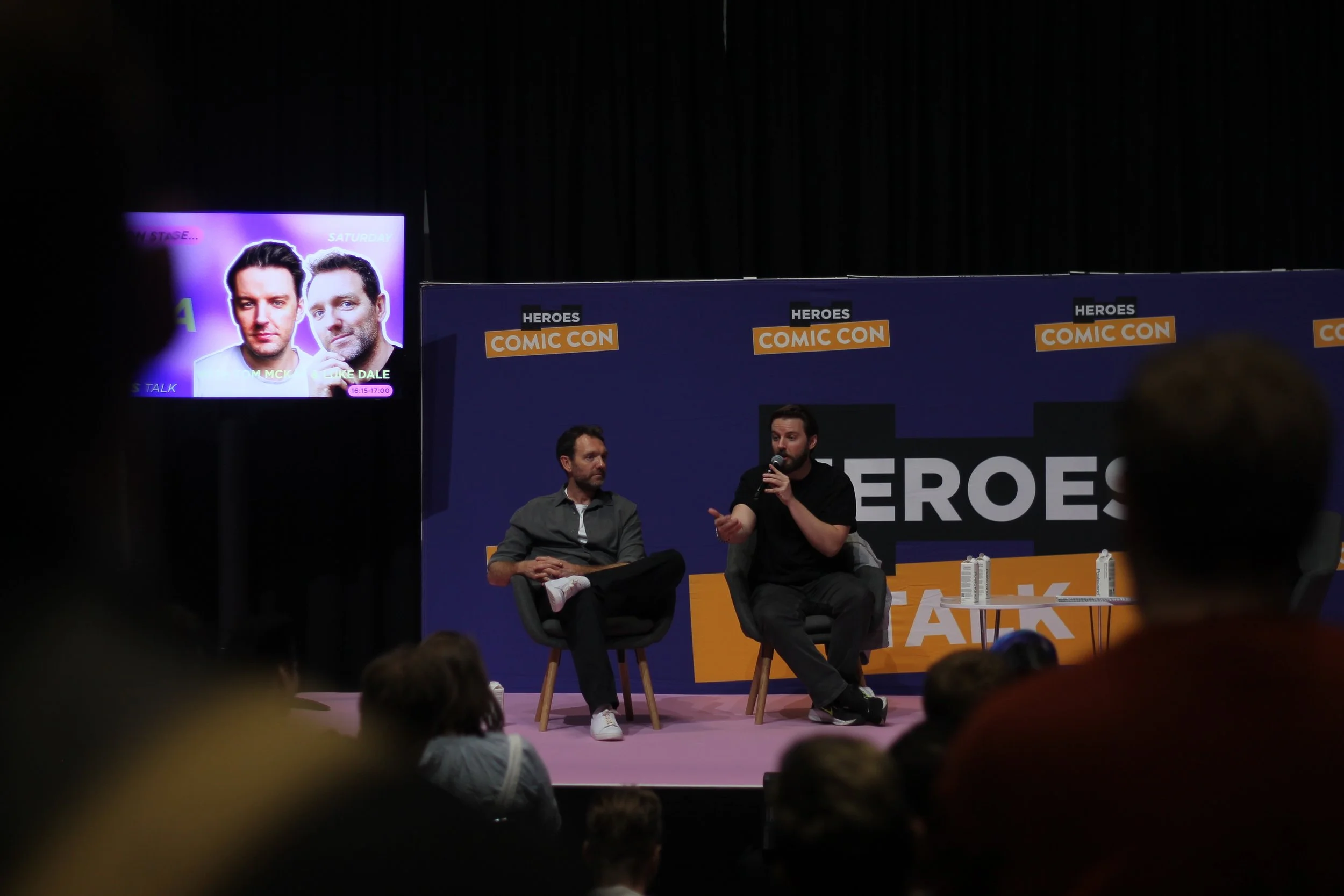
The gaming-related panels offered another perspective on performance. Troy Baker, widely recognized for portraying Joel in The Last of Us, approached his discussion primarily through the craft of acting, reflecting on the character and the process of bringing him to life. Tom McKay, known for portraying Henry in Kingdom Come: Deliverance II, explored a somewhat different challenge. The nature of a role-playing game requires actors to record dialogue across an enormous range of possible situations, many of which individual players may never encounter. McKay shared an amusing anecdote about meeting someone who had spent approximately 400 hours playing the game and subsequently told him something about its world that he himself had never known, despite portraying its protagonist. It was a revealing example of the scale and complexity of modern RPGs. Actors contribute to the construction of these fictional worlds, but players can spend hundreds of hours exploring their possibilities, uncovering details that extend beyond any one contributor's experience of the production. Together, the panels demonstrated how performance changes across different forms of entertainment, even when the underlying craft remains recognizable.
The Real Stars: Cosplay and Community
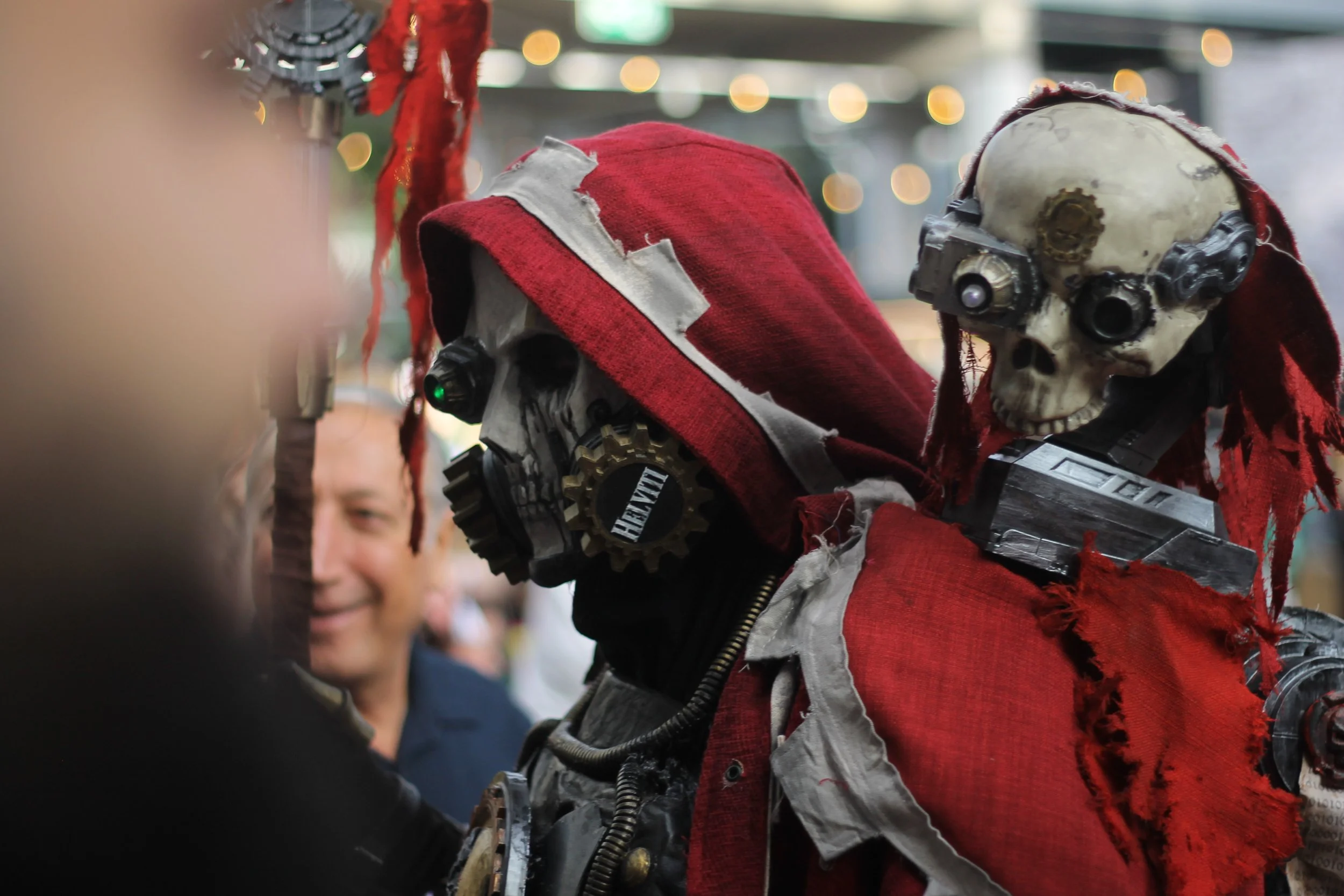
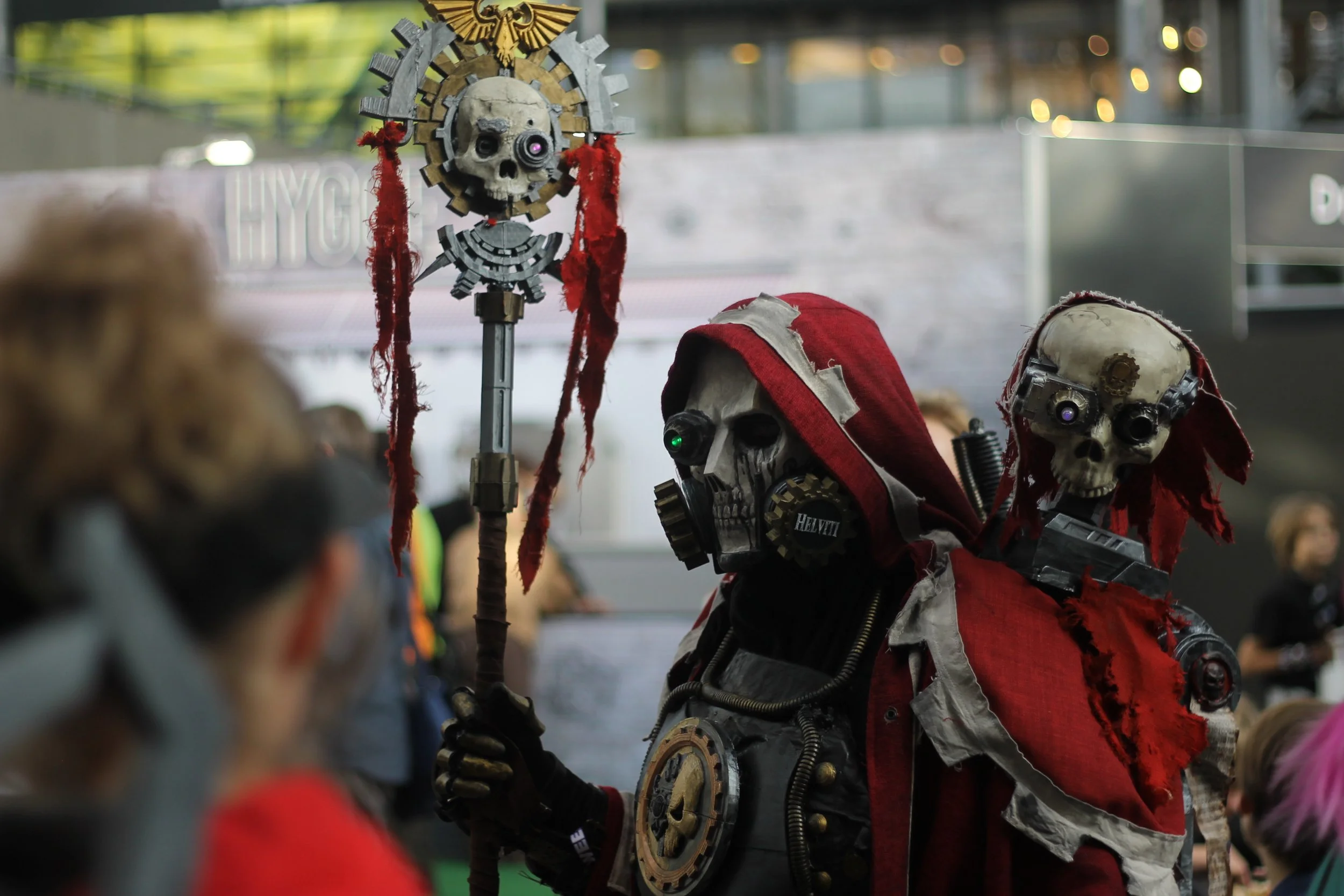
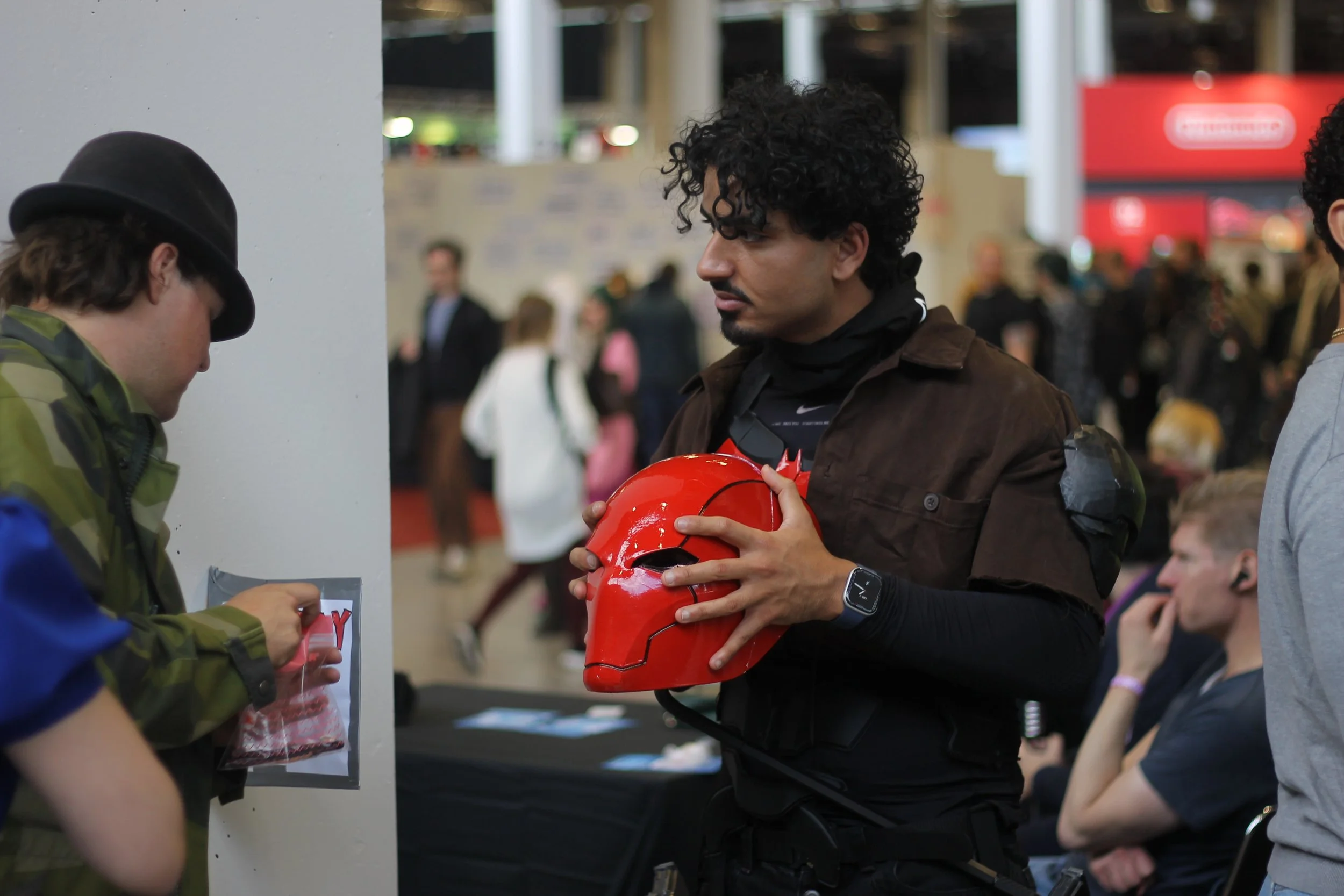
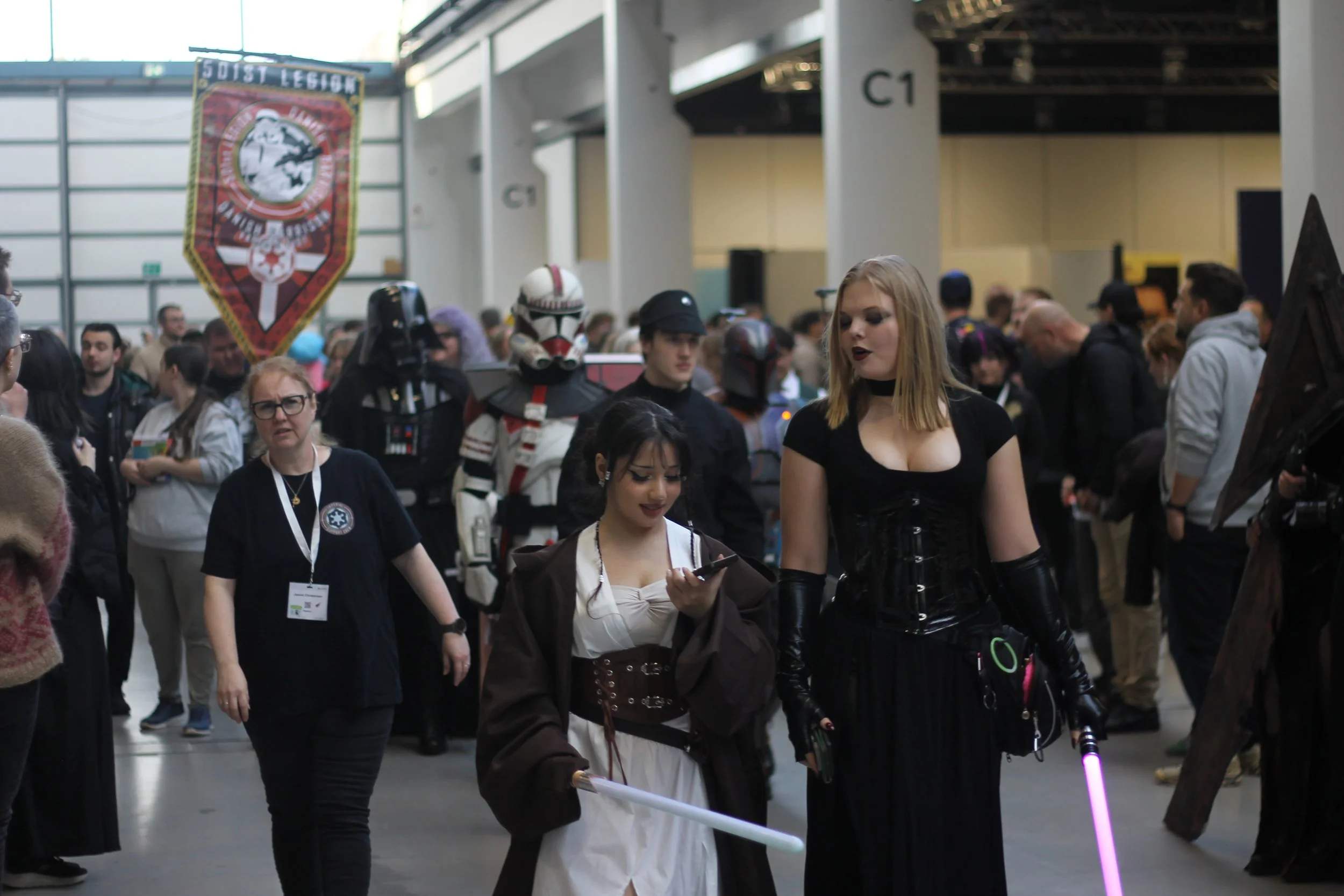
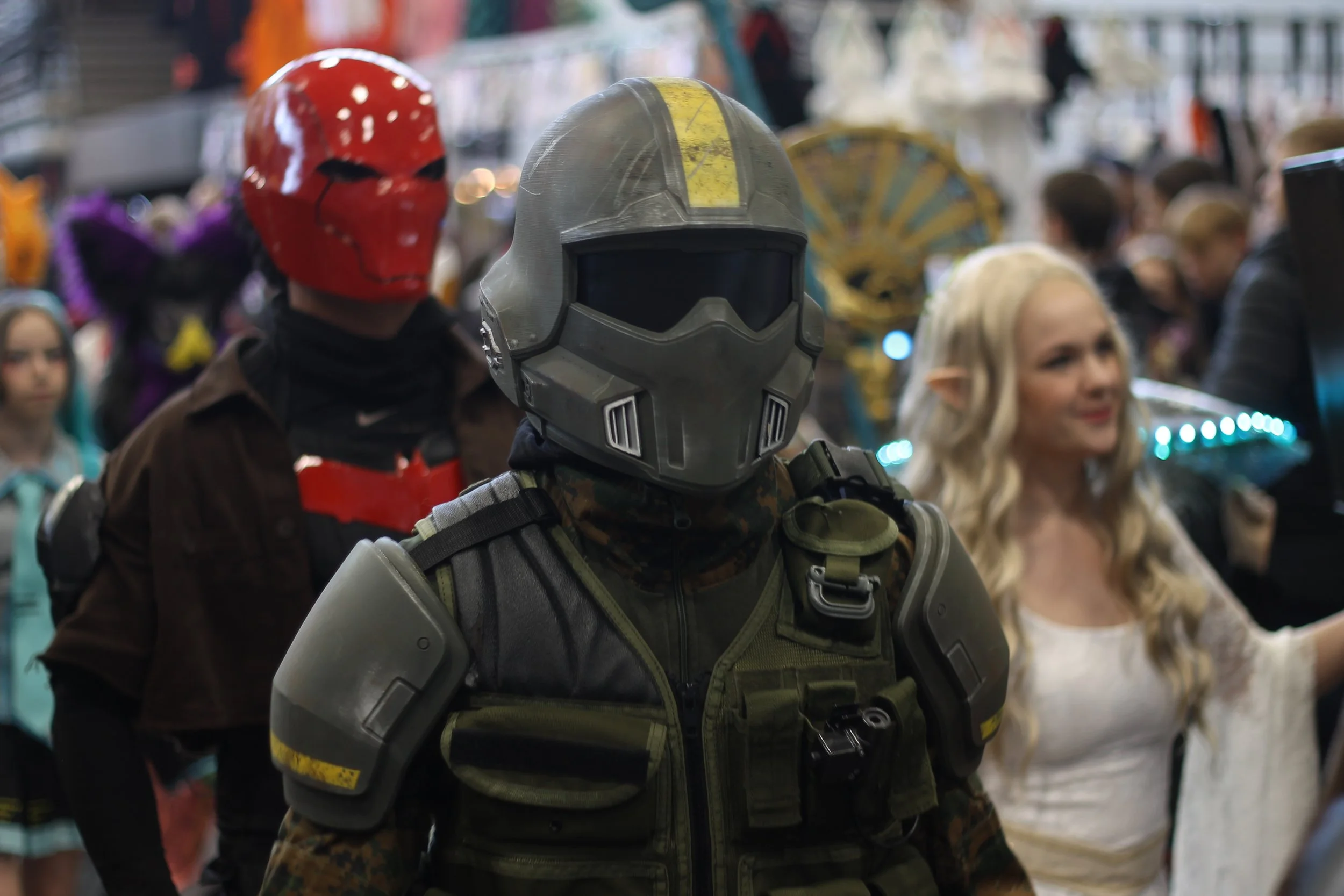
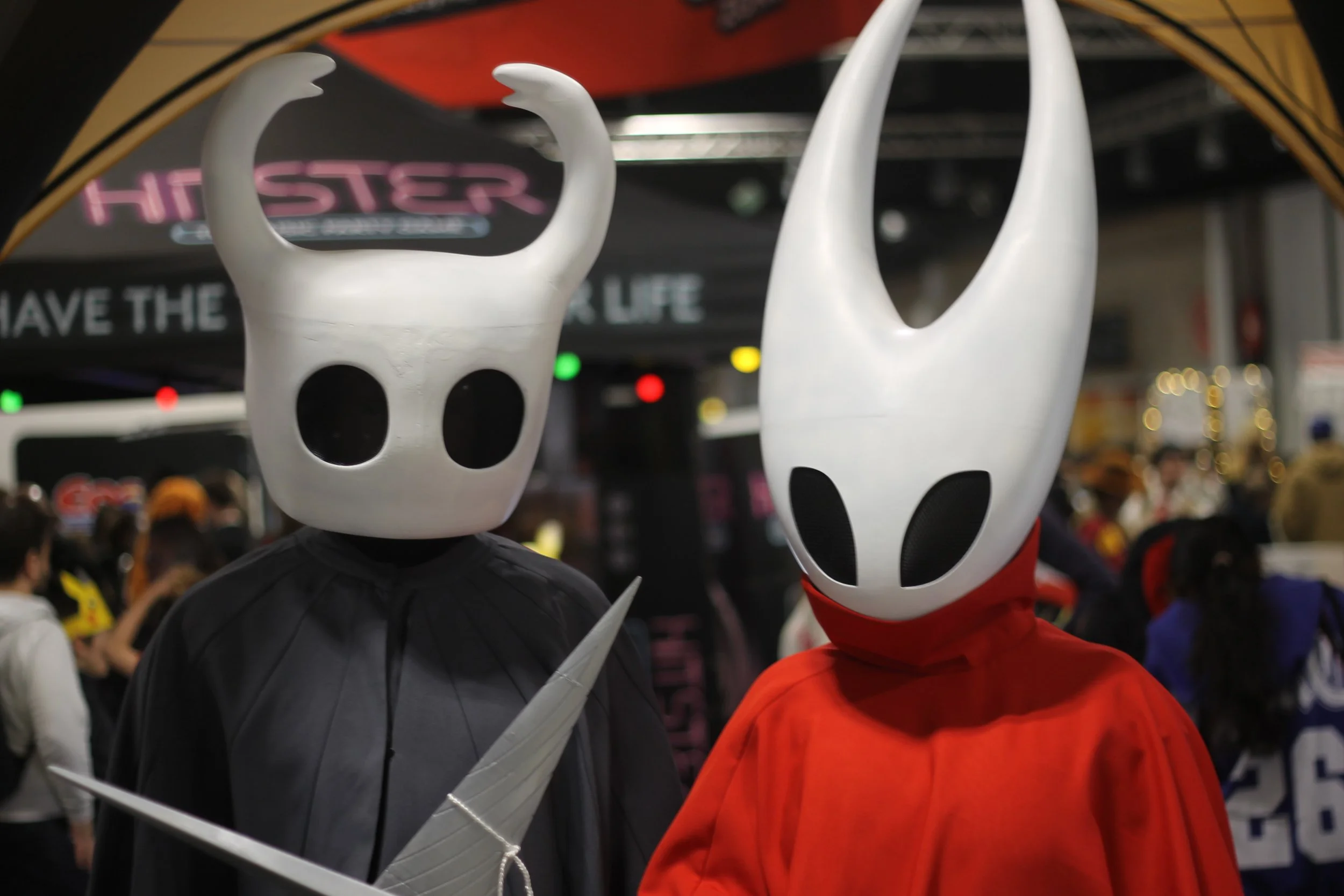
If the celebrity appearances provided the convention's most recognizable faces, the attendees themselves supplied much of its personality. The sheer number of cosplayers was one of the day's most pleasant surprises. Costumes ranged from relatively simple interpretations of popular characters to elaborate recreations featuring detailed armor, props, makeup, and carefully assembled accessories. What stood out was the diversity of participants, particularly the broad age range of people willing to embrace the occasion. Cosplay was clearly an activity shared across generations, and some of the more ambitious outfits regularly attracted small crowds of admirers requesting photographs.
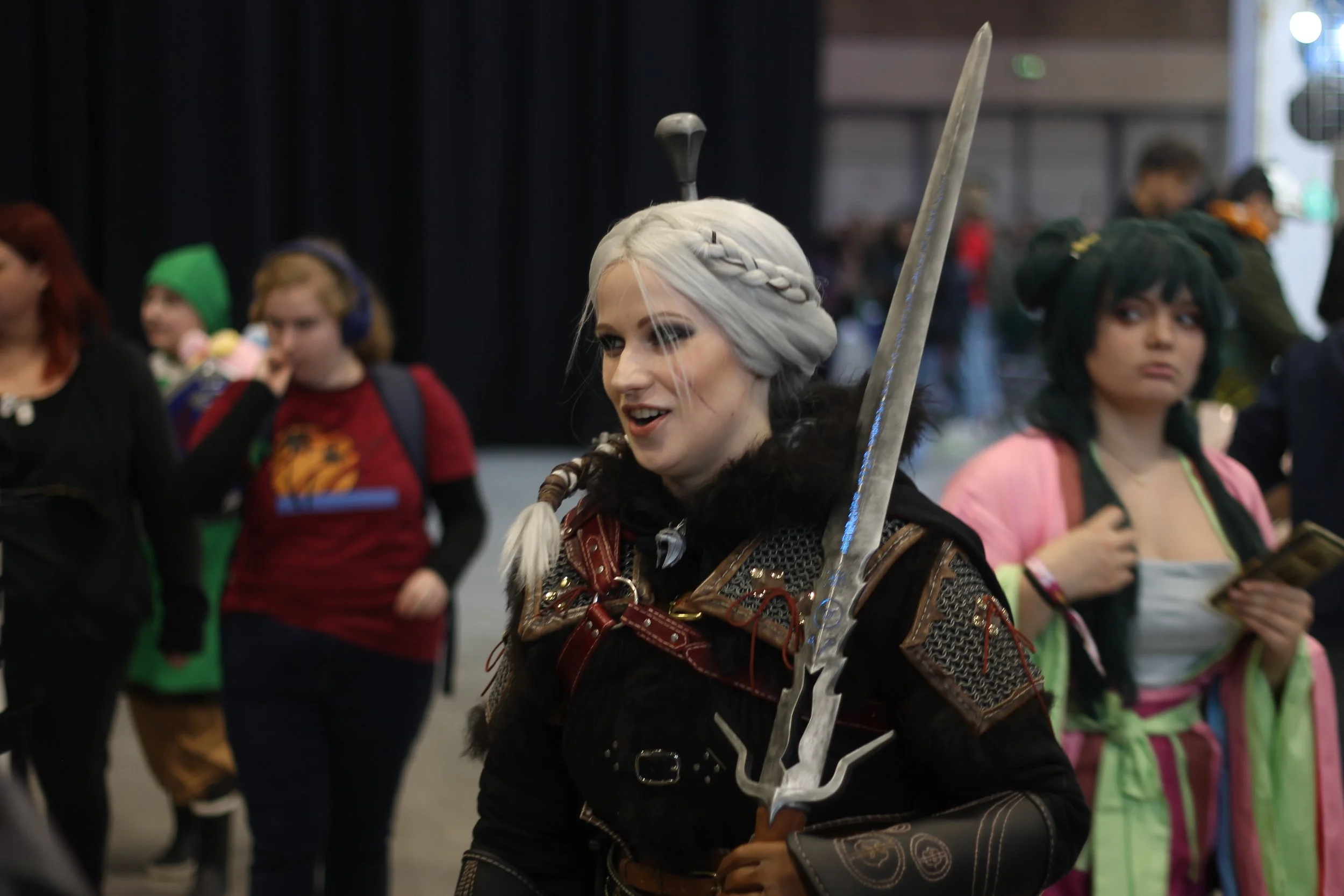
The overall quality and participation exceeded our expectations, creating an environment where the distinction between spectator and participant frequently disappeared. The cosplay competition reinforced that impression, presenting contestants on stage in a fashion-show-like format before a panel of judges. The craftsmanship varied, as one would expect from a competition welcoming different levels of experience, but the effort invested in the costumes was unmistakable. The creativity and enthusiasm on display made a compelling argument for cosplay as one of Comic Con Copenhagen's greatest strengths.

Between Merchandise and Entertainment
The main exhibition hall was spacious and packed with exhibitors, although its offerings revealed a noticeable imbalance. Merchandise dominated much of the floor, with anime-related products appearing particularly frequently. Figurines, collectibles, prints, accessories, and fan creations reflected the enormous influence Japanese popular culture now holds within the broader convention scene. Traditional American comic book culture remained represented, but it was difficult to overlook how thoroughly anime had established itself as a central part of contemporary fandom. Other exhibitors offered Japanese snacks, candy, and more unusual products, including a memorable hot sauce stand. There were also activities beyond shopping, such as a Star Wars-inspired sword-fighting experience and a historical longsword fencing area later in the evening. A dedicated board gaming section was another welcome inclusion, providing visitors with opportunities to sit down and engage with games in a more social setting. These attractions helped diversify the experience, although much of the exhibition floor remained oriented toward merchandise and collectibles.
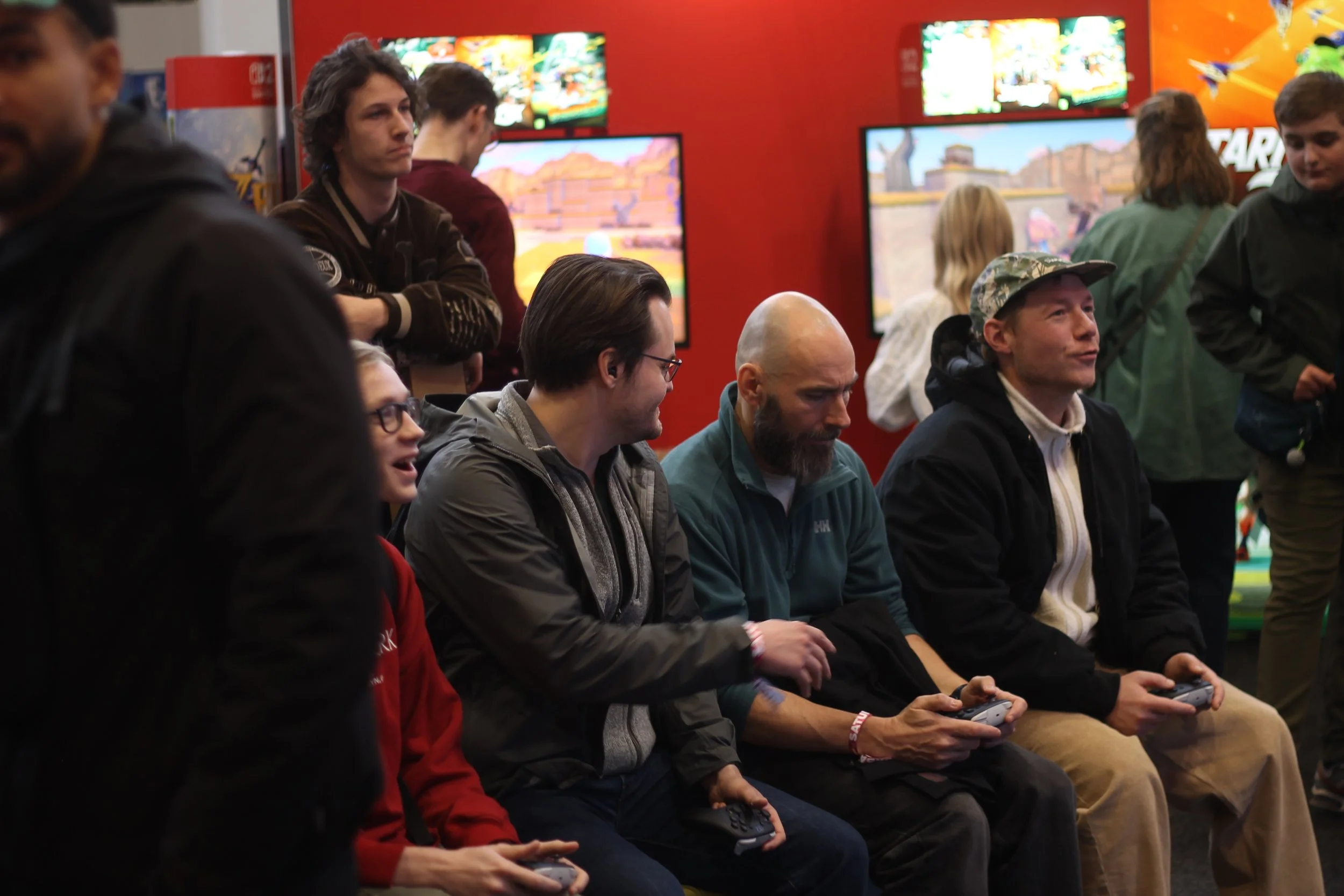
Perhaps the most puzzling aspect of Comic Con Copenhagen was the limited presence of video games, especially considering the event's guest lineup. With names like Troy Baker, Jennifer English, Tom McKay, and Giancarlo Esposito, all of whom have contributed to major video game productions, gaming culture was clearly represented on stage. Yet that representation scarcely extended to the convention floor. Beyond the board gaming area, Nintendo appeared to be the sole significant video game exhibitor, offering approximately eight or nine playable stations featuring already released titles. Having attended similar conventions where gaming occupies a substantial portion of the exhibition space, the contrast was difficult to overlook. Video games have become an integral part of contemporary pop culture, sharing audiences, creative talent, and fictional universes with film, television, anime, and comics. The presence of prominent gaming performers made the absence of a more substantial gaming section particularly noticeable. Opportunities for independent developers, interactive demonstrations, tournaments, and hands-on experiences could complement the existing attractions and give visitors additional ways to engage with the medium. Comic Con Copenhagen already has the audience and the personalities to embrace that relationship more fully.
Organization and Final Impressions
For an event attracting large crowds, Comic Con Copenhagen handled movement around the venue remarkably well. Wide corridors separated the different sections, signage was clear, and the floor plan made navigation straightforward even during busier periods. Most exhibitors could be approached naturally, without visitors being forced into long queues, and the absence of changes in floor elevation made the exhibition space easy to traverse. The more substantial waits were concentrated around predictable locations, including the entrance, wardrobe, food stalls, meet-and-greet areas, and particularly popular exhibitors. From a press and creator perspective, however, the facilities were somewhat limited. These shortcomings were relatively minor in the context of an otherwise well-organized event, particularly given how comfortably the crowds moved through the exhibition hall.
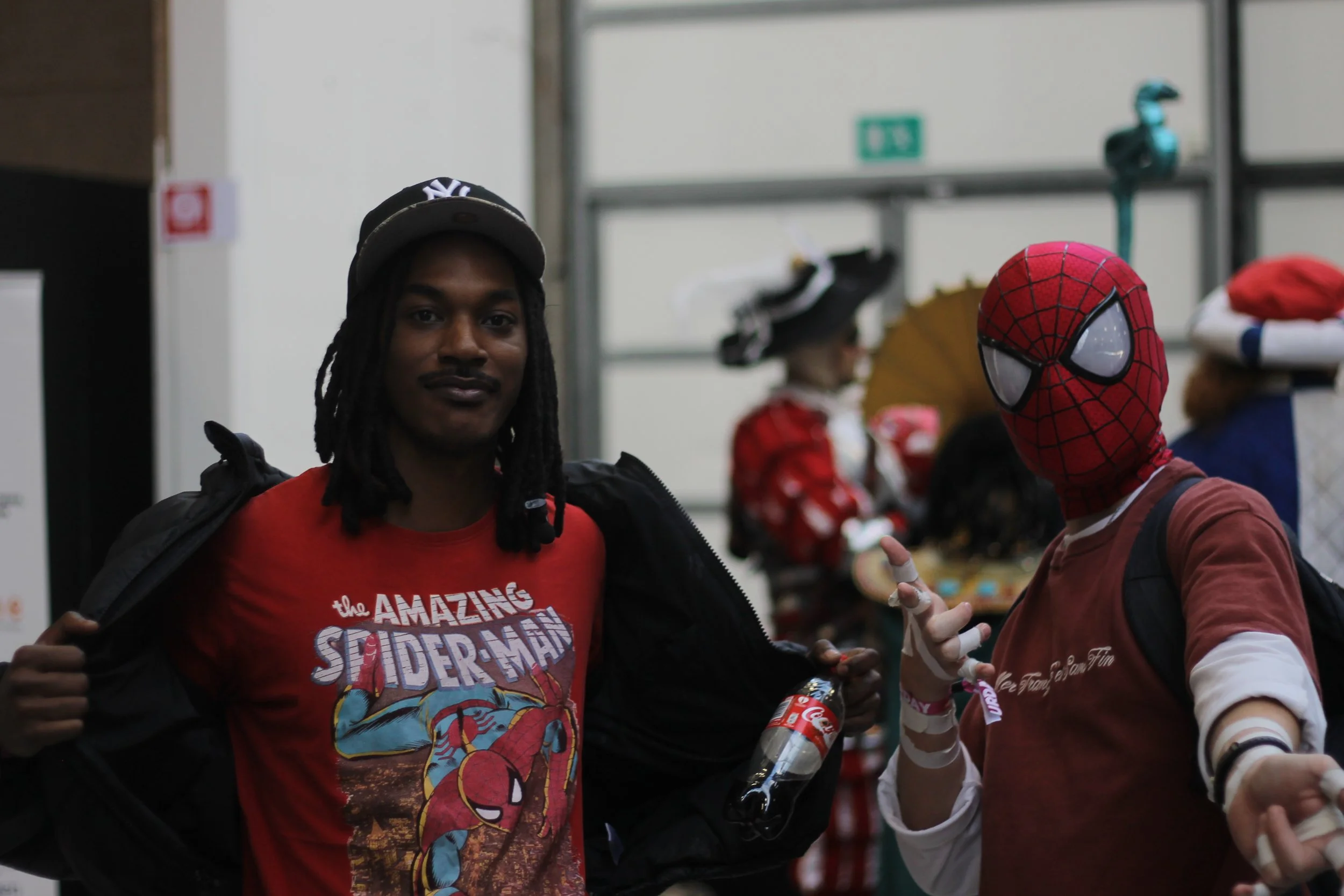
Ultimately, Comic Con Copenhagen 2026 was an enjoyable experience, carried by an enthusiastic community, memorable guest appearances, and an impressive dedication to cosplay. The convention succeeded in creating an atmosphere where different generations and corners of popular culture could gather around shared interests. Its greatest opportunity for improvement lies in expanding the variety of experiences available on the exhibition floor, particularly in relation to video games. With such a strong selection of gaming performers already appearing on stage, a more substantial interactive presence would feel like a natural extension of the event's identity. The organizational foundation is solid, the community is clearly engaged, and the enthusiasm surrounding the convention is difficult to question. There is plenty of room for Comic Con Copenhagen to grow, and good reason to look forward to what future editions might bring.
Explore our full photographic coverage in the PROC3SS Comic Con Copenhagen 2026 gallery.
