
The competitive multiplayer market has become increasingly crowded, with developers searching for ways to distinguish their games within an ecosystem dominated by established franchises and long-running communities. Valve's Deadlock and NetEase's Marvel Rivals offer an interesting comparison because both incorporate recognizable elements of the hero-shooter genre while approaching player engagement through substantially different design philosophies. Marvel Rivals builds much of its appeal around familiar superheroes, spectacular abilities, and accessible team-based combat, whereas Deadlock combines third-person shooting with the economic systems, map control, and strategic progression traditionally associated with multiplayer online battle arenas. Their differences illustrate how two games occupying adjacent genres can construct remarkably distinct relationships between players and their underlying systems.
Marvel Rivals benefits from the immediate cultural familiarity of its characters, allowing players to approach its roster with existing expectations about individual abilities and identities. This accessibility extends into the experience itself, where visually expressive combat and recognizable team compositions provide relatively immediate gratification. Deadlock, meanwhile, places greater emphasis on understanding interconnected systems. Individual performance depends on mechanical execution, but also on resource management, itemization, map awareness, and decisions concerning when to engage or retreat. These systems create a demanding learning environment in which strategic knowledge becomes increasingly important as players develop proficiency. The difference has implications for player agency. Both games provide opportunities for skill expression, but Deadlock's additional economic and strategic layers create more avenues through which players can influence the outcome of a match.
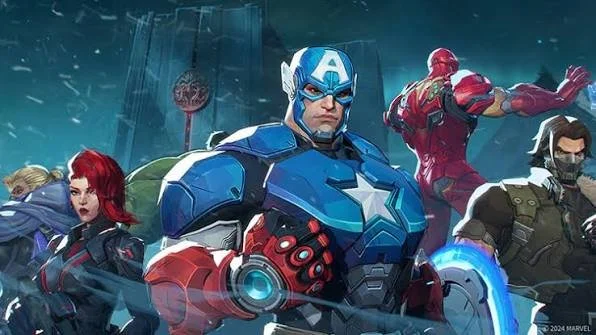
Neither approach is inherently superior. Accessibility can foster enormous communities, while mechanical complexity can sustain dedicated audiences who enjoy the process of gradually mastering intricate systems. What makes the comparison particularly interesting is how each game encourages different forms of player behavior through its mechanics. Marvel Rivals emphasizes recognizable character fantasies and coordinated spectacle, while Deadlock rewards a broader understanding of systemic relationships and long-term decision-making. Their respective futures will depend on numerous factors beyond design, including updates, community management, and competitive support. Nevertheless, the contrast demonstrates that competitive multiplayer gaming still has considerable room for experimentation, even within genres that initially appear saturated.
