
Valve appears to have another multiplayer phenomenon on its hands. Deadlock, the studio's ambitious fusion of third-person hero shooter and multiplayer online battle arena, has surpassed Team Fortress 2's all-time concurrent player record on Steam, marking an extraordinary milestone for a game that has yet to receive an official public release. Following the arrival of its substantial City Never Sleeps update, Deadlock reached a peak of 303,347 concurrent players on October 16, comfortably exceeding Team Fortress 2's longstanding record of 253,997 players, established in July 2023. The achievement is particularly impressive considering the competitive landscape into which Deadlock has emerged. Multiplayer gaming has become increasingly difficult for newcomers to penetrate, with established titles commanding enormous audiences and countless ambitious projects struggling to maintain meaningful player populations. Valve, however, seems to have found another winning formula, and the numbers suggest that Deadlock has already established itself as one of the company's most successful contemporary multiplayer projects.
The comparison with Team Fortress 2 carries considerable symbolic weight. Released in 2007, TF2 helped establish many of the conventions that would eventually define the modern hero-shooter genre, combining distinctive character classes, recognizable visual design, and an emphasis on teamwork that allowed it to maintain a dedicated community for nearly two decades. Its influence can be traced through subsequent generations of competitive shooters, making it an important point of reference for Valve's newest multiplayer experiment. Deadlock's achievement therefore represents something of a generational transition within the company's portfolio. However, its success also reflects a different approach to competitive game design. Where Team Fortress 2 revolves around relatively accessible class-based combat and objective-oriented teamwork, Deadlock incorporates the economic progression, strategic map control, and complex itemization associated with traditional MOBAs. Players must balance mechanical proficiency with an understanding of resource management, character builds, and long-term strategic decisions, creating an experience with a remarkably high skill ceiling. This combination allows Valve to occupy a distinctive position between established genres, appealing to audiences familiar with shooters while offering the systemic complexity that has sustained games such as Dota 2 and League of Legends for years.
Perhaps the most remarkable aspect of Deadlock's growth is that it has achieved these numbers without relying on an established intellectual property or an enormous conventional marketing campaign. Unlike Marvel Rivals, which benefits from decades of recognizable characters and an established entertainment universe, Deadlock has built its identity around an entirely new cast and an unusual supernatural interpretation of New York City. Its appeal appears to be driven substantially by the experience itself, with players discovering the game through community discussion, invitations, and the gradual expansion of its playtest. Valve's willingness to experiment with the relationship between shooter mechanics and MOBA systems has produced something that feels familiar in its individual components but remarkably distinctive in their combination. There is a certain irony in watching one of the industry's most established developers find success through a relatively unconventional project while so many publishers continue to pursue increasingly standardized live-service formulas. Deadlock demonstrates that there remains considerable appetite for mechanically ambitious multiplayer games, provided they offer players a compelling reason to invest the time required to understand them.
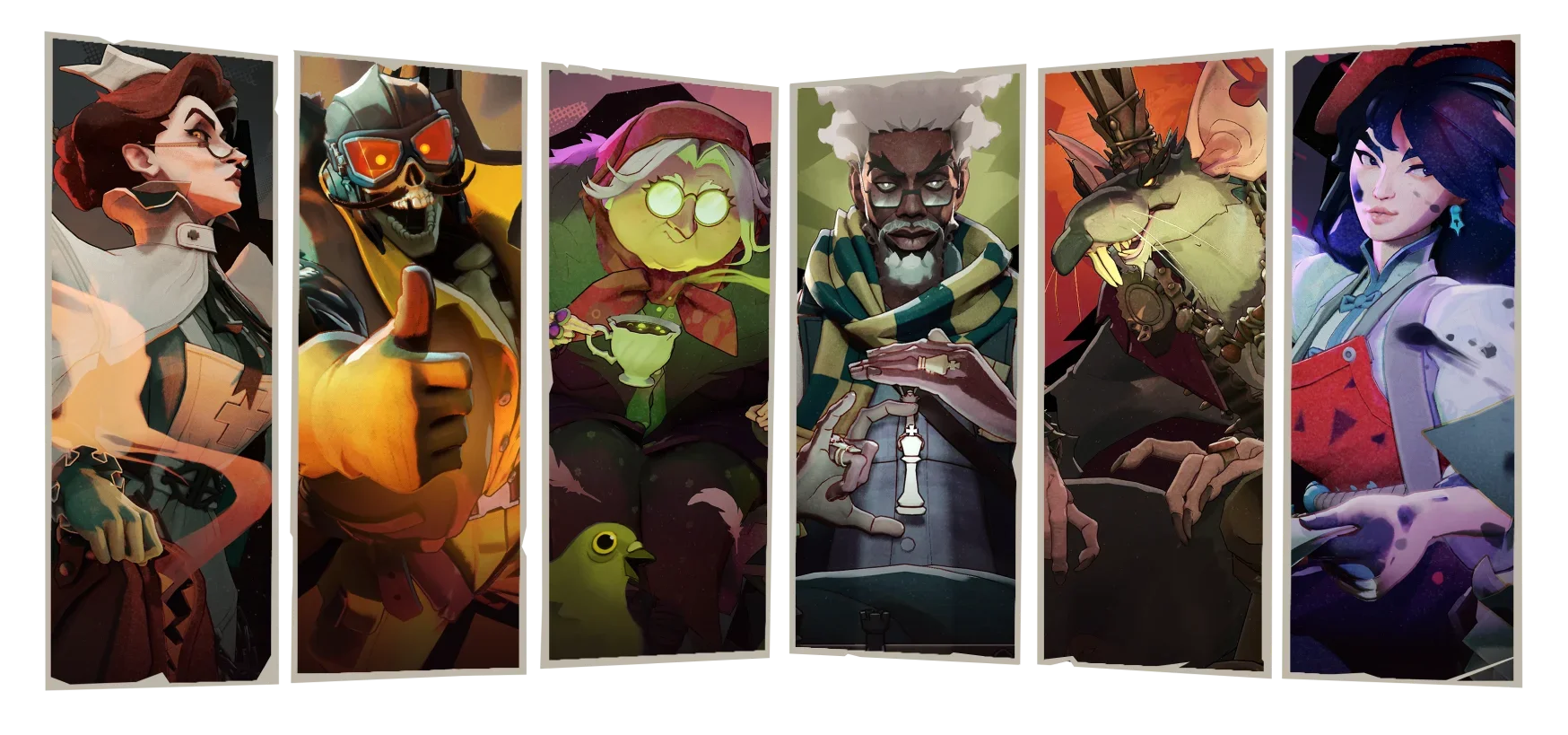
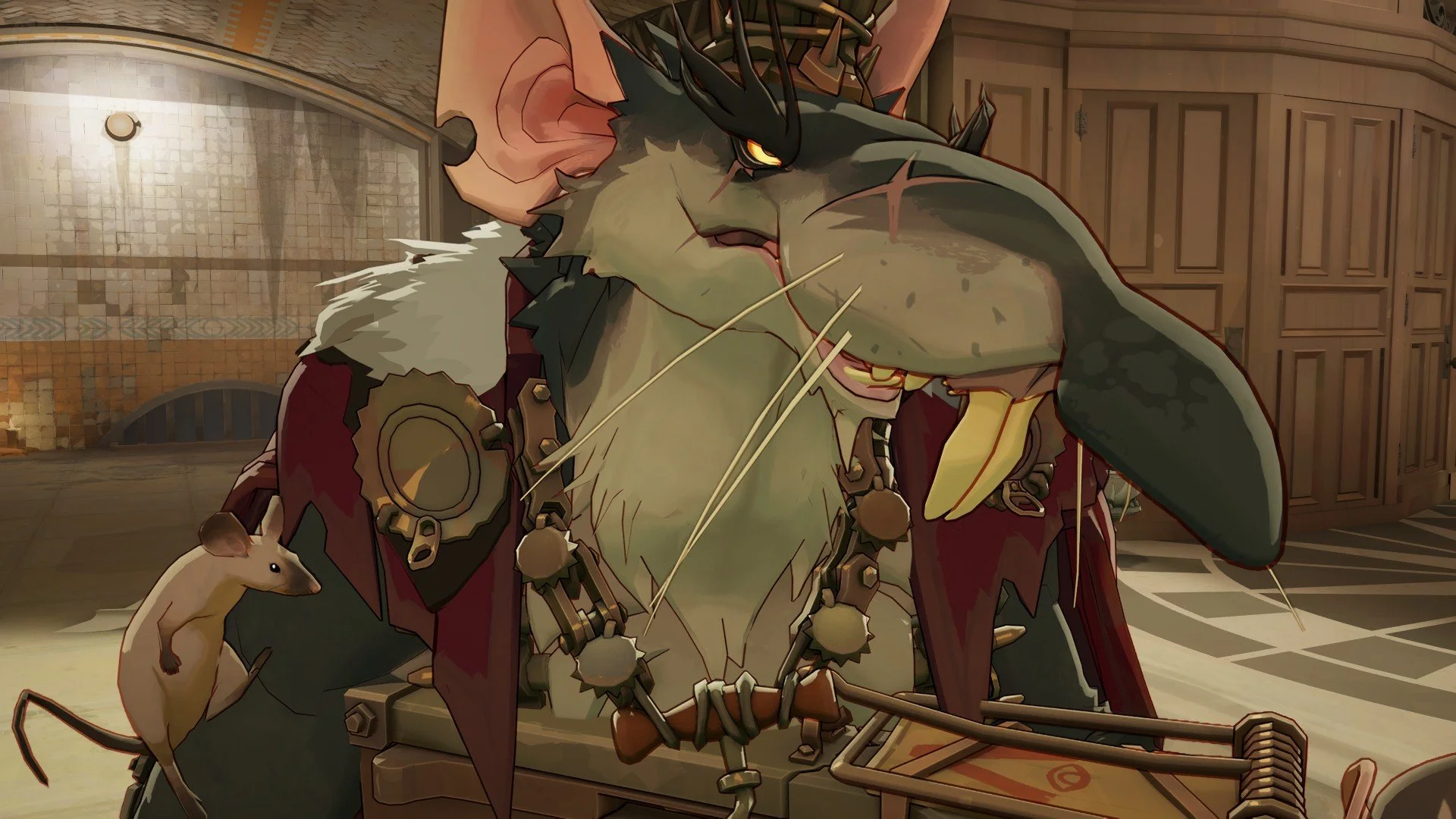
Much of the recent surge can be attributed to City Never Sleeps, the major update released at the end of September. Alongside extensive changes to the game's map, objectives, items, and general presentation, Valve introduced six additional heroes: Rat King, Solomon, Baba, Deadman Danny, Nurse Harrow, and Violet. The additions further develop Deadlock's distinctive personality, drawing inspiration from urban folklore, supernatural imagery, and recognizable elements of New York culture. Rat King, for instance, transforms the city's infamous rodent population into a character concept, while Solomon draws upon the familiar image of an elderly chess player in the park. The update also expanded the game's environmental variety through newly developed districts and introduced further gameplay improvements, demonstrating that Valve continues to invest heavily in both its mechanical foundations and its fictional world. The immediate response was substantial, with concurrent player numbers climbing beyond 228,000 shortly after the update before eventually surpassing Team Fortress 2's record in October.
Yet the most astonishing detail remains the game's accessibility, or rather its deliberate lack thereof. Deadlock is still officially invite-only. Despite attracting hundreds of thousands of simultaneous players, the game remains in active development, with access dependent on receiving an invitation from an existing participant. Valve has yet to announce a conventional release date, and numerous aspects of the experience remain subject to significant revision. Under ordinary circumstances, such restrictions would be expected to limit a multiplayer game's potential audience considerably. Deadlock has instead managed to cultivate a population large enough to rival and surpass the historical peaks of some of Steam's most recognizable multiplayer titles. Its current success should not be mistaken for a guarantee of long-term dominance, particularly in a market where maintaining engagement can prove considerably more difficult than attracting initial attention. Nevertheless, Valve has already achieved something extraordinary. A new intellectual property, built around an experimental combination of genres, has surpassed the concurrent player record of one of the company's most influential games while remaining inaccessible to the general public without an invitation. If these numbers represent Deadlock before its official release, its eventual public launch could become one of the most significant multiplayer events in recent years.
