
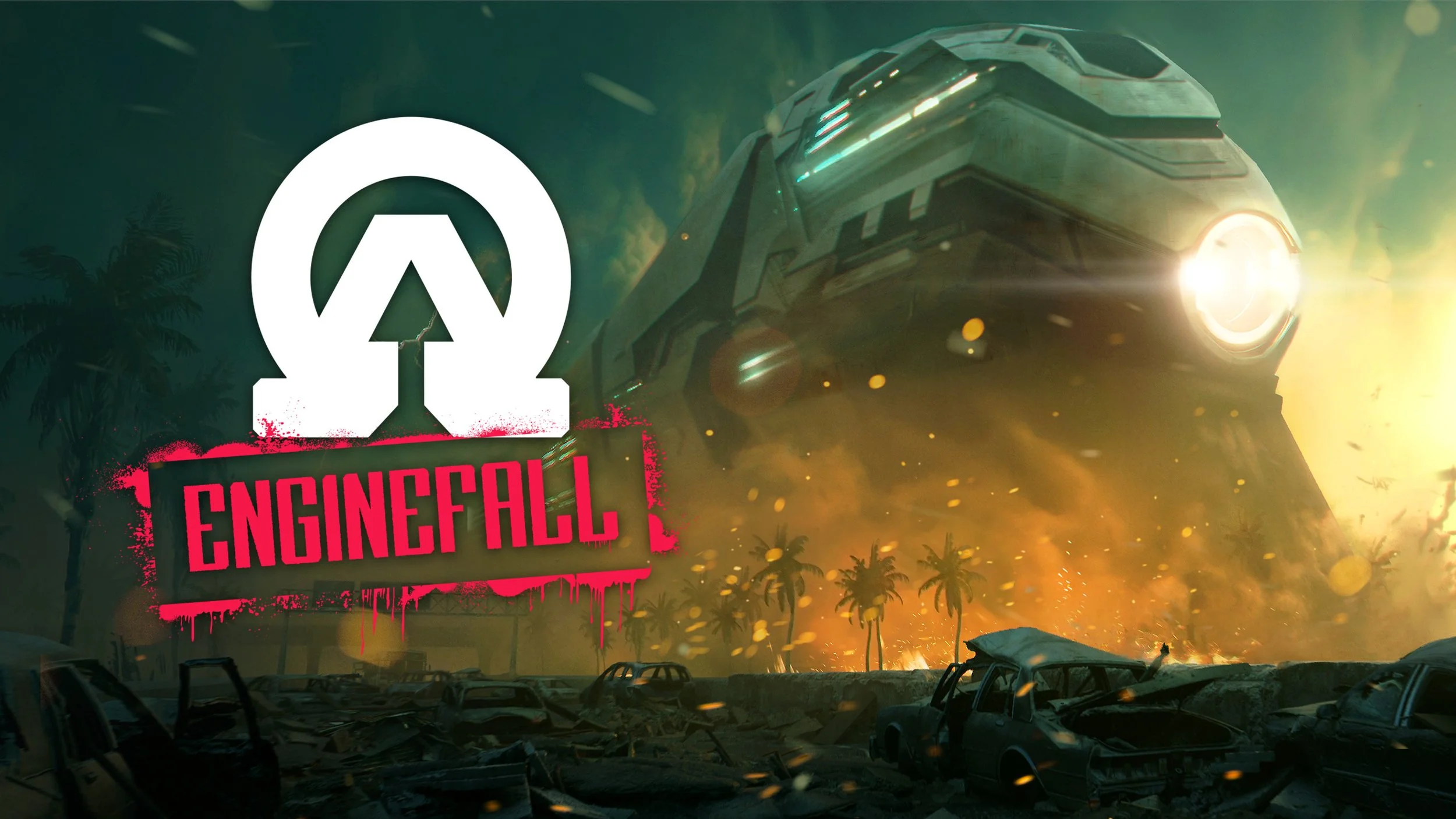
In recent years, survival design has oscillated between two extremes. On one side stand extraction shooters like Arc Raiders, fast, tense, session-based experiences built around high risk and short commitment. On the other sits Rust, the archetype of long-form survival where time investment defines power and stepping away can cost weeks of progress.
Enginefall enters the conversation by asking a deceptively simple question: what if survival required more than an hour, but less than a week/month long commitment?
During its recent playtest, Enginefall revealed a design philosophy that feels like a deliberate bridge between these two worlds. It does not reset quickly enough to feel disposable. It does not persist long enough to demand total commitment. Instead, it places players aboard a semi-persistent train that functions as the primary survival space, lasting several hours at a time. The result is a new tempo for risk, attachment, and social friction.
What Is Enginefall and Why Is It Unique?
Enginefall centers its experience around a massive moving train that acts as both battleground and ecosystem. Players board, scavenge, craft, fortify, fight, and negotiate within this contained yet evolving environment. The train itself becomes the map. Unlike traditional extraction games where sessions are cleanly segmented, this space persists long enough for infrastructure and familiarity to form, albeit temporarily.
What makes this structure unique is the commitment window. A train run lasts a few hours. That duration is long enough for alliances to develop and rivalries to escalate like in Rust. Players begin recognizing others. Temporary bases are reinforced. Control over key carriages matters. Yet the cycle eventually ends. There is no month-long base to defend while offline. Instead, your base feels more like a forward operating base. It’s there to give you a certain degree of safety while you plan your move to the next carriages.
This middle ground produces a different psychological landscape. The stakes feel meaningful, yet accessible. Investment forms naturally, without demanding weeks of obligation. Enginefall compresses the intensity of long-form survival into a contained temporal frame, where base building is a temporary measure to ensure progression to the next area.
Playtest Impressions and Potential
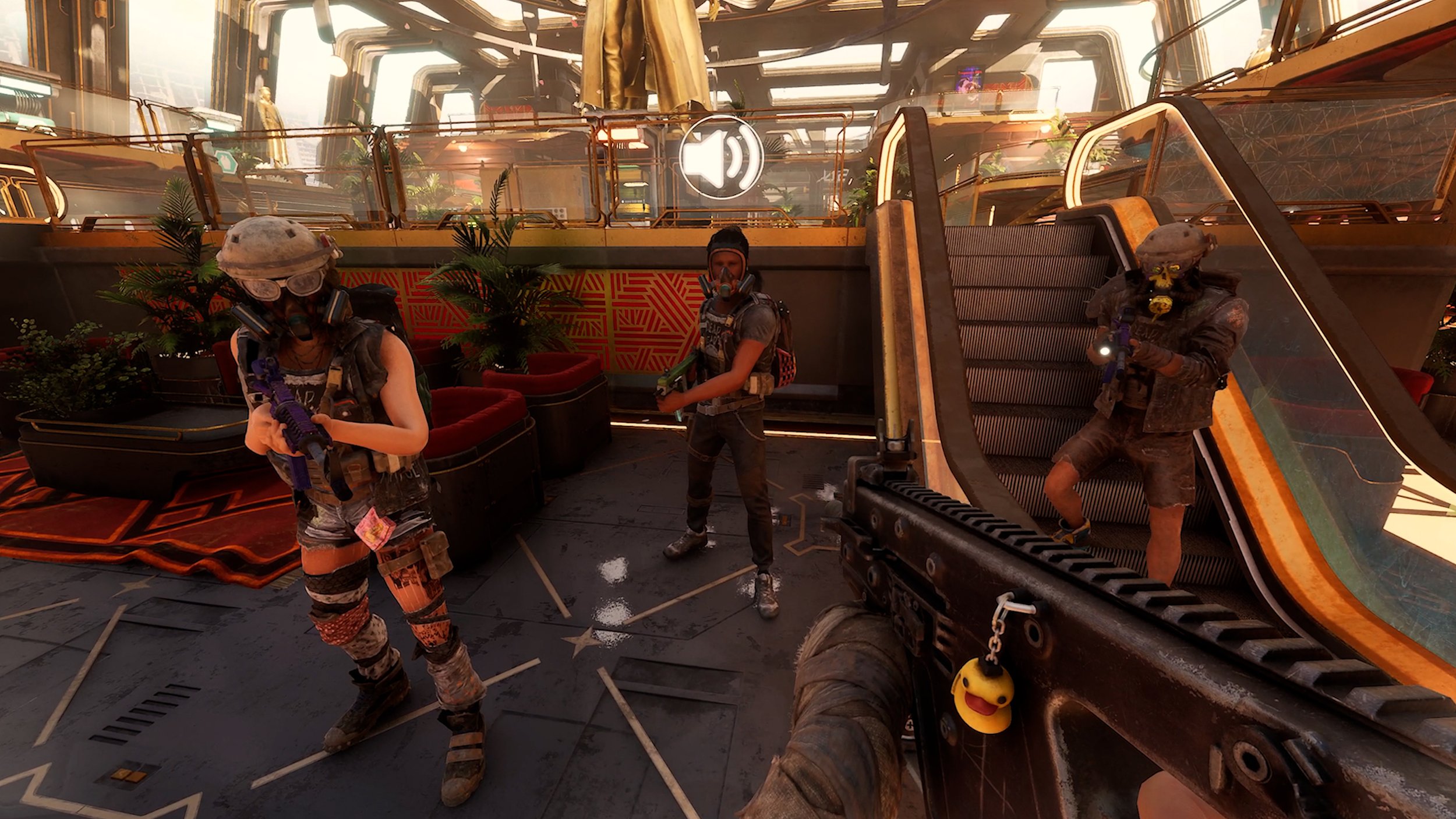
The playtest showcased strong foundations. The moving train creates constant spatial tension. Corridors funnel combat into tight encounters. Verticality across train cars introduces positional strategy. Resource scarcity encourages exploration and conflict. The pacing feels deliberate rather than frantic.
There are rough edges. Combat balancing needs refinement. Some systems feel early in iteration, and certain player strategies like carriage exit camping were an issue. Interface clarity and onboarding will determine how approachable the final product becomes. Yet beneath the polish issues lies clear potential.
What stands out most is the rhythm of the gameplay loop. Sessions build gradually. Early scavenging gives way to contested territory. Late-game control struggles feel earned rather than random. The train becomes a social arena over time, where, the further you move up towards the conductors room, the more vigilant people become. That arc would be impossible in a thirty-minute extraction loop and exhausting over a month-long Rust server.
Enginefall appears to understand that modern players want consequence without month long captivity. And that is its greatest design philosophy.
The Procedural Rhetoric of Commitment
Beyond novelty, Enginefall’s most interesting statement lies in what its structure persuades players of.
Extraction games like Arc Raiders, teach disposability and impermanence. Enter, loot, extract, reset. Survival games such as Rust, teach endurance. Invest, fortify, defend over weeks. Enginefall introduces a third lesson: commitment as a contained experience.
By structuring the train around multi-hour persistence, the game persuades players that attachment can be temporary yet meaningful. The concepts aren’t mutually exclusive. Control and a solid game plan matter immediately. Loss carries weight because time has been invested, yet the system guarantees a reasonably timed reset. The world does not demand indefinite vigilance.
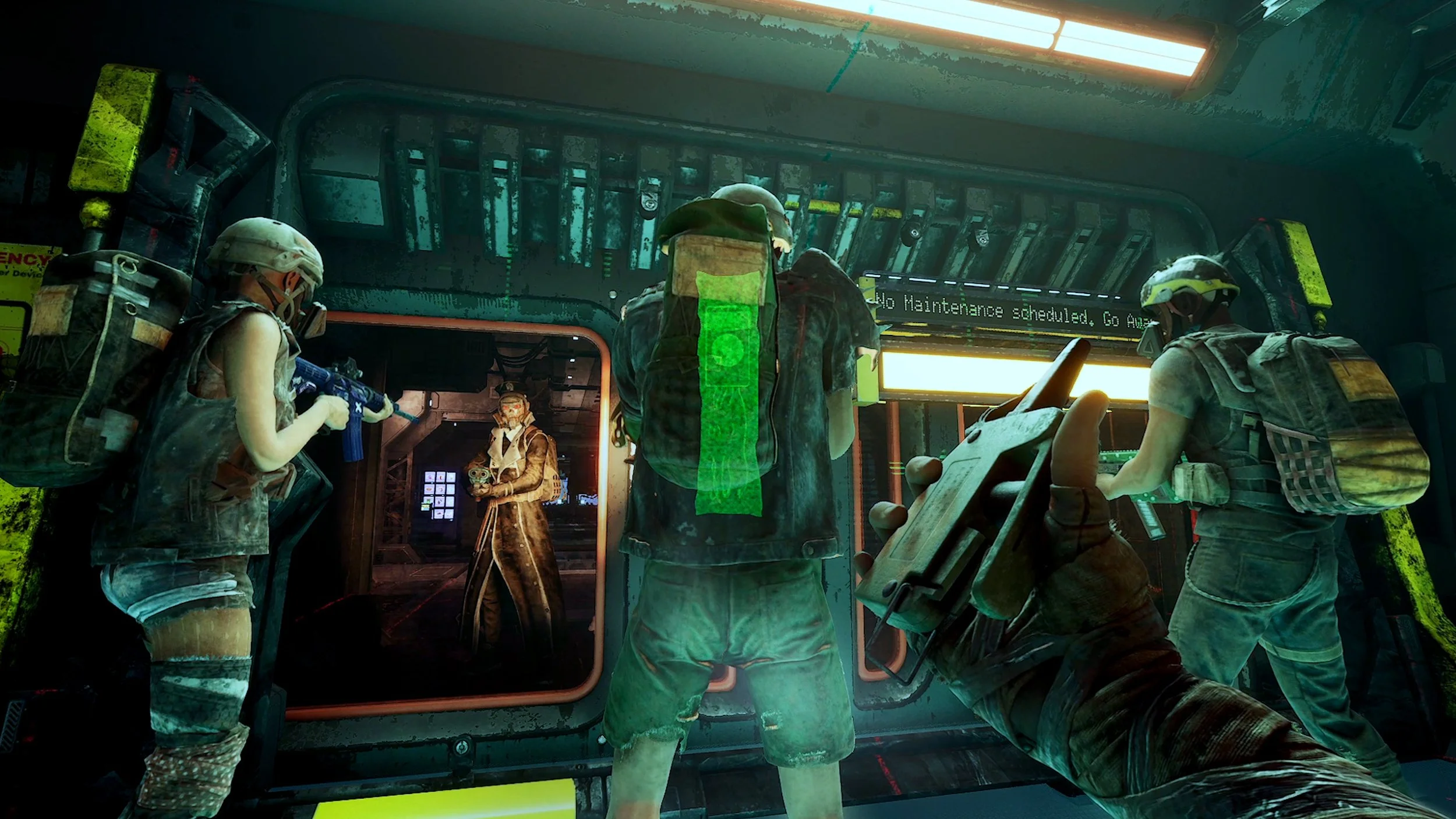
This creates a distinct subjectivity. Players think strategically about short-term dominance rather than long-term “empire” building. Every action is executed with an awareness of temporal limits. It becomes most visible through base building. In most survival games, constructing a base is an act of permanence. You reinforce it because you intend to defend it for days or weeks. In Enginefall, building feels different. Bases function less as settlements and more as fortified staging points. You construct walls, storage, and crafting stations not to establish dominance over the map, but to buy time. The space becomes a quiet compartment to sort loot, refine materials, and prepare for movement into the next train car or toward a higher train class.
The temporariness is intense. Investing excessive effort into fortification feels inefficient or wasted. The train will eventually self-destruct A base becomes a resource depot rather than a castle. Players internalize this quickly. Construction serves momentum rather than permanence. After a few hours aboard the train, the rhetorical logic crystallizes. It reframes time as the central design variable. Risk scales with hours rather than months.
In doing so, Enginefall may be pointing toward a broader evolution in multiplayer design. Not every player wants the burnout of Rust. Yet not every player finds satisfaction in quick multiplayer loops. The middle space, where commitment is meaningful yet finite, remains largely unexplored.
Enginefall steps into that gap.
