
THE TETRIS EFFECT: WHEN GAMES SHAPE HOW WE THINK
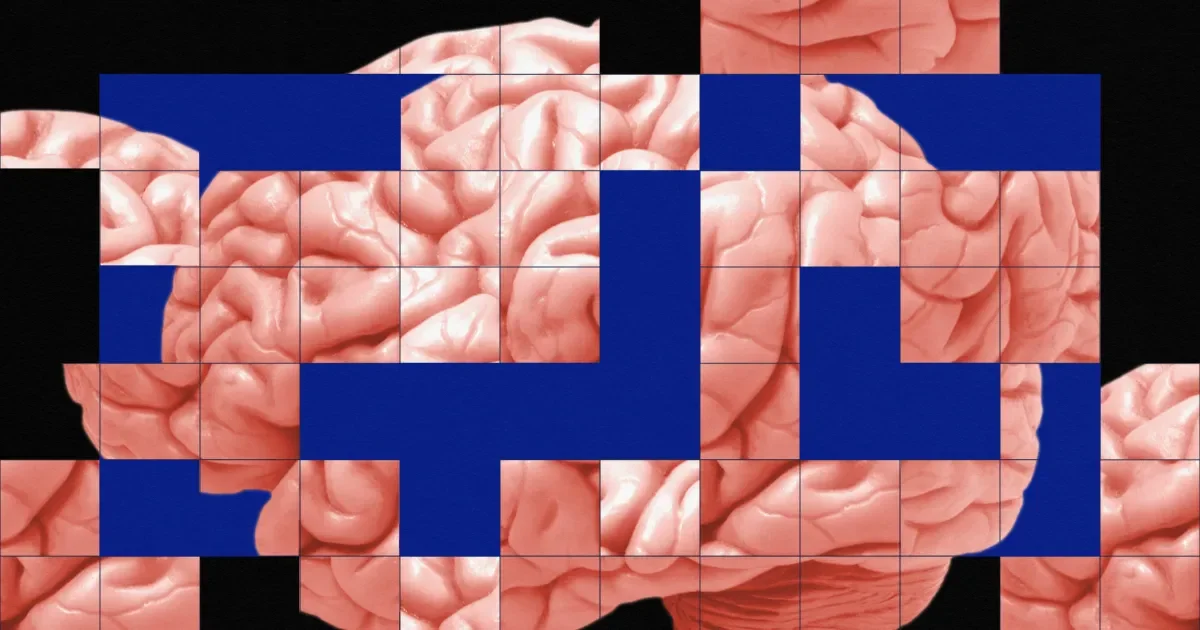
Most games end when the player stops playing. The screen goes dark, the controller is put down, and the experience fades back into memory. Yet some games refuse to stay confined to the screen. They linger in the mind.
Players report seeing shapes everywhere. A stack of boxes becomes a puzzle waiting to be solved. Shelves in a grocery store resemble falling blocks. In extreme cases, people dream about fitting pieces together or instinctively begin mentally organizing objects into optimal patterns.
This phenomenon is commonly referred to as the Tetris Effect, named after the classic puzzle game Tetris. After extended play, players begin to perceive the world through the logic of the game itself. The mind continues to run the system long after the session ends.
The idea may sound humorous at first, but it reveals something profound about how interactive systems interact with human cognition.
What the Tetris Effect Actually Is
The term “Tetris Effect” emerged in the 1990s as players began reporting unusual cognitive aftereffects following long play sessions. Psychologists later adopted the term to describe how repetitive interaction with a structured system can alter perception and thought patterns.
In Tetris, players repeatedly rotate and position geometric shapes in order to fill horizontal lines. The rules are simple, yet the process demands constant spatial reasoning. Players must quickly recognize patterns, anticipate gaps, and mentally simulate how shapes will fit into a constrained grid.
After hours of performing this process, the brain begins to internalize the system. Players start mentally applying the same logic to real-world environments. They may imagine how objects could be rotated to fit together, or how irregular shapes could be arranged to eliminate empty space.
Importantly, this effect does not only occur with Tetris. Similar cognitive carryover has been observed with other highly repetitive interactive systems. Strategy games can cause players to mentally optimize resource flows. Puzzle games encourage pattern recognition in everyday objects. Even city builders can make players instinctively evaluate infrastructure and spatial organization in real environments.
The brain adapts to the systems it practices.
Why Systems Shape the Mind
The Tetris Effect highlights a fundamental feature of interactive media: repetition combined with structured rules changes how players think.
Every game teaches a pattern of reasoning. Some teach optimization. Others teach spatial awareness, economic planning, or tactical positioning. The more frequently these systems are practiced, the more the brain internalizes their logic.
Unlike passive media, games require constant decision-making within a rule set. The player is not simply observing patterns. They are actively producing solutions.
Over time, the rule set becomes intuitive. Players no longer consciously think about the mechanics. The logic becomes automatic. The system has effectively trained a mode of thinking.
This is why the Tetris Effect appears most strongly in games built around simple but endlessly repeated systems. The brain becomes fluent in their logic.
The Procedural Rhetoric of Cognitive Habits
This is where the concept intersects with procedural rhetoric.
Procedural rhetoric describes how games persuade through rules and systems rather than through explicit narrative or dialogue. A game models a process, and through interaction the player experiences the logic embedded in that process.
The Tetris Effect shows how deeply this persuasion can reach. It demonstrates that systems do not only shape in-game decisions. They can shape cognitive habits themselves.
When a player repeatedly engages with a system that rewards efficiency, pattern recognition, or optimization, the brain begins to adopt those patterns as default modes of thought. The player does not simply understand the system. They internalize it.
In this sense, the Tetris Effect can be seen as the extreme end of procedural rhetoric. The system’s logic becomes so familiar that it begins to structure perception outside the game.
The player temporarily thinks in the language of the game.
The Broader Implication
The Tetris Effect raises an intriguing question about interactive media.
If games can subtly shape the way players perceive the world, what other forms of reasoning might they encourage?
City builders teach infrastructure thinking. Strategy games reward long-term planning. Simulation games encourage systemic analysis. Even chaotic multiplayer games teach improvisation and social coordination.
This does not mean games control how players think. It means they train ways of thinking through repetition and interaction.
The falling blocks of Tetris simply made that process visible.
Interactive systems do not only entertain. They teach players how to think within the logic of the worlds they create.
