
Part I of a two-part PROC3SS long-form feature exploring the evolution, limitations, and future of video game controllers, in collaboration with Dr. Takahiro Yonemura.
For as long as games have existed, so have the tools to play them. Video games are no exception. Whether intrinsically part of the human body or external to it, a game needs a means of control to be interactive or to allow for a state of “play”. Where Bogost would consider the controller the tool that lets you explore a possibility space, Derrida would consider language. Despite the countless, not to mention incredibly fast, changes video games have benefitted from in the past decades, such as graphics, AI, processing, and computational capabilities, controllers have largely remained unchanged. Think about it for a moment. If you displayed both Tekken (1995) and Tekken 8 (2024) on the same screen, the difference would be night and day. Yet, if you compared the controllers that accompanied them, the original PlayStation Dual Analog (1997) and the PlayStation DualSense Edge (2023), respectively, the only noticeable changes would be quality-of-life or ergonomic. If we compare the controller most commonly used for Counter-Strike 1.0 (2000) with the one used for Counter-Strike 2 (2023), the difference, or lack thereof, becomes even more comical. The question remains: Why do we scrutinize video games to the point we do, but rarely question the tools we use to enjoy them?
To better help us understand the history, challenges, and limitations of video game controllers, PROC3SS has teamed up with Dr. Takahiro Yonemura, a Japanese researcher and game developer whose work on alternative human-computer interfaces dates back to the early 2000s. Having developed video games since the NES era, Dr. Yonemura has spent years exploring unconventional forms of player interaction, most recently through BATTLE SHIRYU, a game controlled through physical gestures and an ordinary webcam, and Voice Battler, which uses natural language to interact with game mechanics.
Defining the Video Game Controller
Before we can discuss the limitations of video game controllers, we ought to establish what constitutes one in the first place. The word controller, particularly in the context of video games, has become almost synonymous with a specific piece of hardware, namely the handheld device popularized by console manufacturers. The definition is somewhat problematic, considering that a keyboard, a mouse, a microphone, and even a camera can serve the same fundamental purpose. What, then, do these seemingly unrelated pieces of hardware have in common?
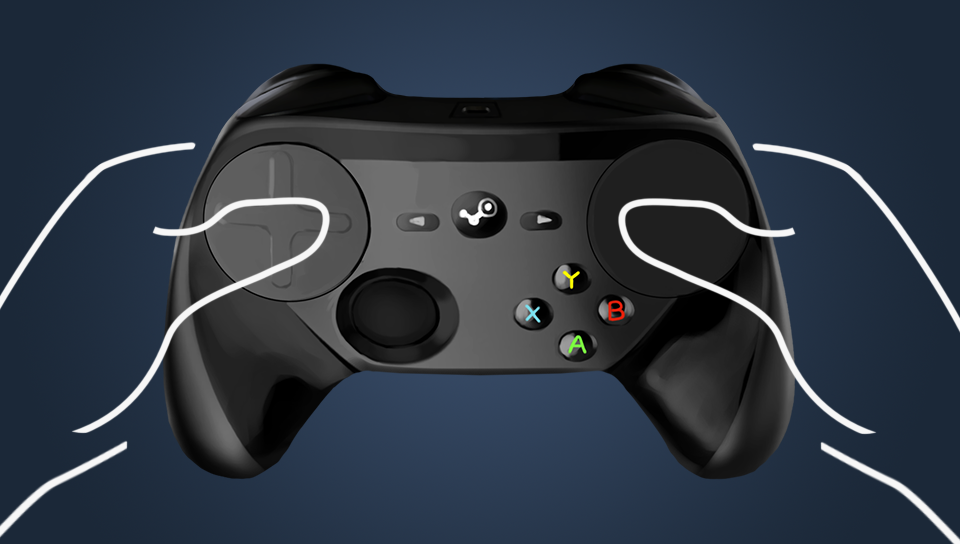
The common denominator is their ability to communicate human intention to a computational system. In video games, this intention is interpreted according to a predetermined set of rules, and the result manifests as an action within the virtual environment. In this sense, the physical characteristics of the hardware are secondary to its function. A keyboard used to write an article and a keyboard used to play Counter-Strike are materially identical, yet their respective functions, and consequently the relationship between the user and the hardware, are considerably different.
When asked what fundamentally distinguishes a video game controller from other forms of human-computer interaction hardware, Dr. Yonemura offered the following perspective:
“Context, without a doubt. Take sushi. At the counter of a top sushi bar, you might eat it with your fingers. Somewhere else, you'd pick up chopsticks. It's the same act of eating, but the tool changes with the situation.
Remember the opening ceremony of the Tokyo Olympics, when performers acted out the sports pictograms with their whole bodies? If what a player expresses with their body could become a move, an attack or a dodge in the game, your body alone would turn into a controller. At that point, can anyone still say what a "controller" is? (laughs)
What matters is how naturally a person's intention reaches the game, and being free to choose the device that makes play better.
My research and my games start from one idea: anything that can carry the player's intention into the game is a game input interface.”
Dr. Takahiro Yonemura, in correspondence with PROC3SS.
Hardware, control schemes and interpretation
Dr. Yonemura's definition reveals an interesting distinction that becomes increasingly relevant throughout this article. Broadly speaking, three components are involved in controlling a video game: the physical interface, the control scheme, and the game's interpretation of the input. The former constitutes the means through which we communicate, the second establishes a relationship between an input and an action, and the latter determines how that input manifests itself within the game's procedural systems.
Suppose we press the spacebar on a keyboard. Depending on the software with which we are interacting, we could be inserting a space between two words, pausing a video, jumping over an obstacle, or firing the weapons of a spaceship. The physical action remains identical. Its meaning, however, is entirely dependent on the context in which it occurs. The controller, therefore, cannot be examined independently of the software that gives its inputs meaning.
Dr. Yonemura illustrates this through one of his earlier experiments in game development:
“Even ordinary input devices can become a new experience, or a new device, if you use them differently. One of my old games, a real kusoge (Japanese gamer slang for a gloriously crappy game), was a swimming game where you controlled your left and right arms with two separate gamepads. You'd drift out of your lane right away. Game over! (Still, it was weirdly addictive.)
So what fundamentally sets an input device apart? I'd say it isn't the hardware. It's whether the player finds it fun or useful. How the game interprets that input is the other deciding factor.”
This definition considerably expands what we can reasonably consider a video game controller. It also raises an interesting question regarding the hardware we have collectively settled on. If virtually anything capable of communicating human intention can count as a controller, why have we largely limited ourselves to two configurations?
The Stagnation of Conventional Controllers
To argue that video game controllers have remained entirely unchanged would, of course, be somewhat disingenuous. The introduction of analog sticks, pressure-sensitive buttons, motion sensors, wireless connectivity, adaptive triggers, and increasingly sophisticated haptic feedback has undoubtedly improved the way we interact with video games. Some of these developments have even introduced entirely new possibilities for game designers. The distinction we ought to make, however, is between refining an existing interface and fundamentally reconsidering its design.
Consider the conventional PlayStation or Xbox controller. We have two analog sticks, a directional pad, four primary face buttons, shoulder buttons and triggers, alongside a handful of additional buttons generally reserved for menus and secondary functions. The exact placement, shape, and functionality of these components vary between manufacturers and generations, yet the foundational configuration remains remarkably consistent. A player accustomed to a PlayStation 2 controller could, without much difficulty, identify the purpose of most components on a contemporary PlayStation controller.
There is nothing intrinsically wrong with this. In fact, the ease with which we transition between hardware generations is one of the greatest advantages of standardization. What makes this continuity particularly interesting, however, is how much the software has changed in the meantime. The number of processes a video game can simulate, the complexity of its mechanics, and the number of actions available to its players have increased considerably. The physical interface through which we communicate with these increasingly complex systems has changed far less radically.
The success of the original design
When asked why the foundational design of conventional controllers has remained relatively consistent, Dr. Yonemura suggested that part of the explanation could be found in the success of their earliest iterations.
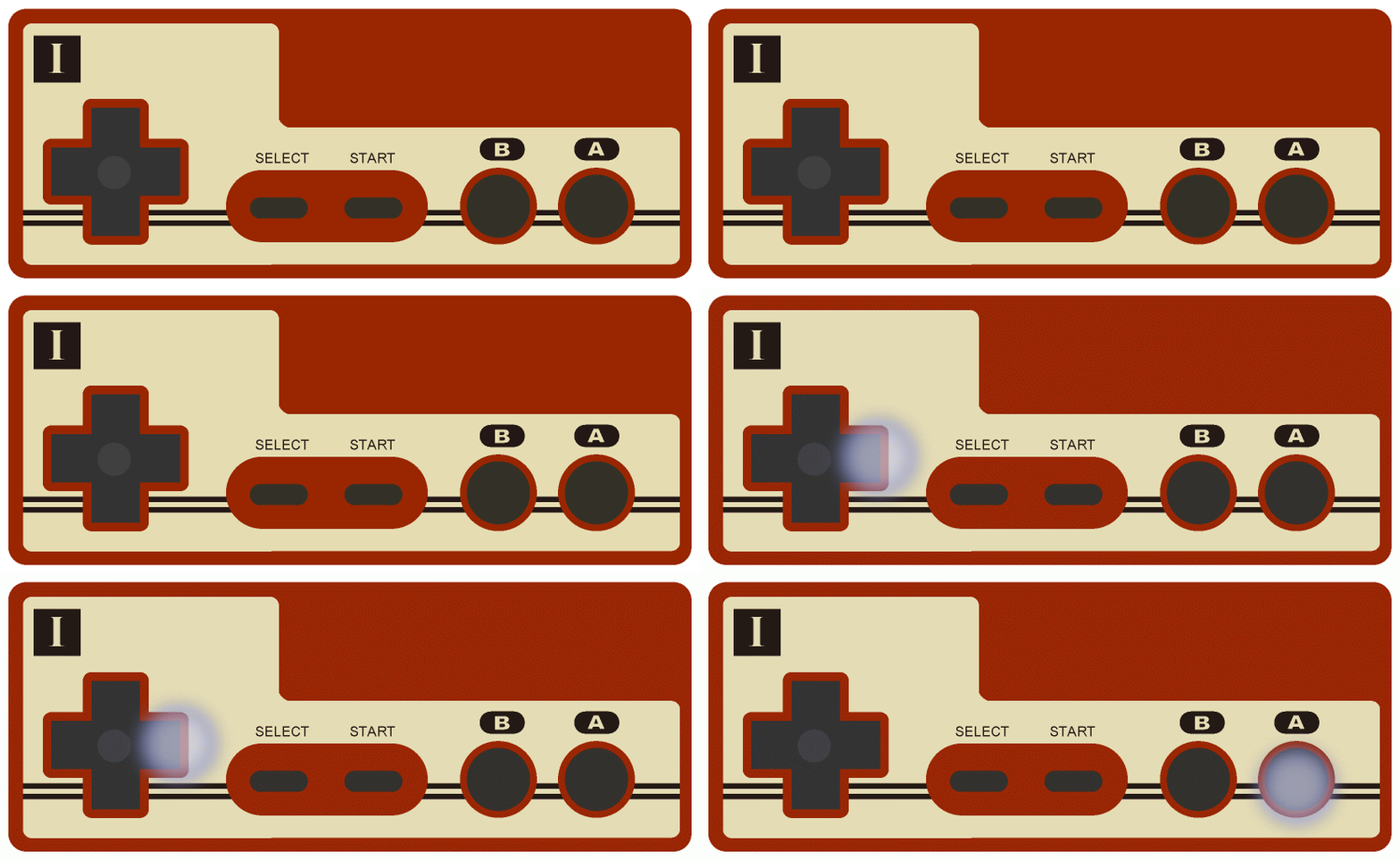
“The NES controller borrowed the cross-shaped D-pad that Nintendo had already used on its Game & Watch handhelds. So a simple, finished design arrived almost right out of the gate, and I suspect that left very little room to improve on it.
Isn't it a bit like a car? The steering wheel, accelerator, and brake haven't changed much either. Nobody is going to swap the steering wheel for a joystick. Partly because people get used to something and decide, "Yes, this is it."
I've been making games since the NES era, so I understand the appeal. Press a button and a shot fires. Press the arrow and your character moves that way. You press something, and it's fun, no explanation needed. It may even be simpler than drag-and-drop with a mouse.”
The automobile analogy is particularly interesting, though an important distinction must be made between driving a car and playing a video game. Whether we are driving a car manufactured in 1980 or one manufactured in 2026, the fundamental actions required of the driver remain relatively consistent. We accelerate, decelerate, and determine the direction in which the vehicle moves. The countless technological developments in the automobile industry have, for the most part, left these fundamental requirements intact.
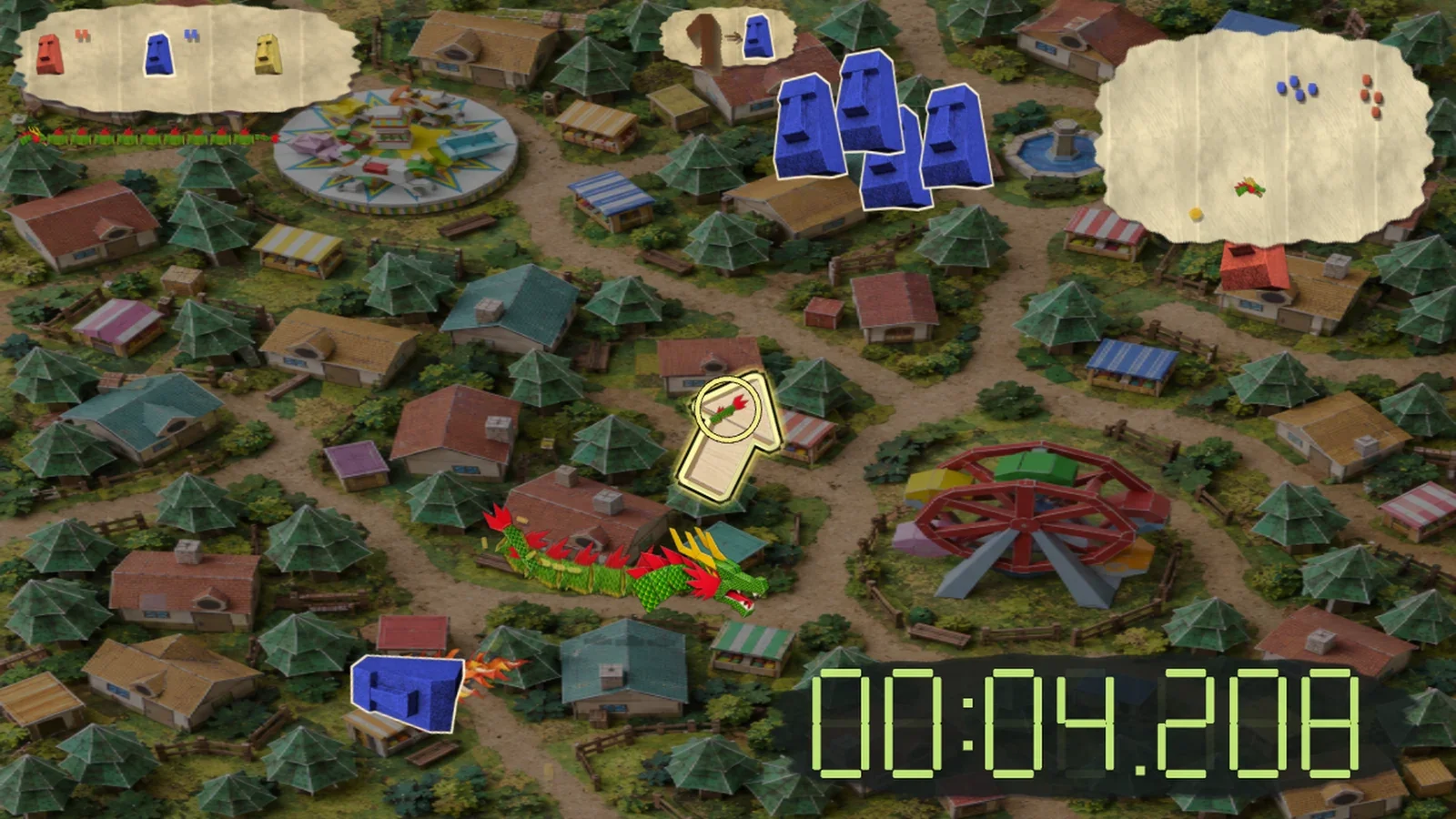
Battle Shiryu - https://store.steampowered.com/app/5398150/Battle_SHIRYU/
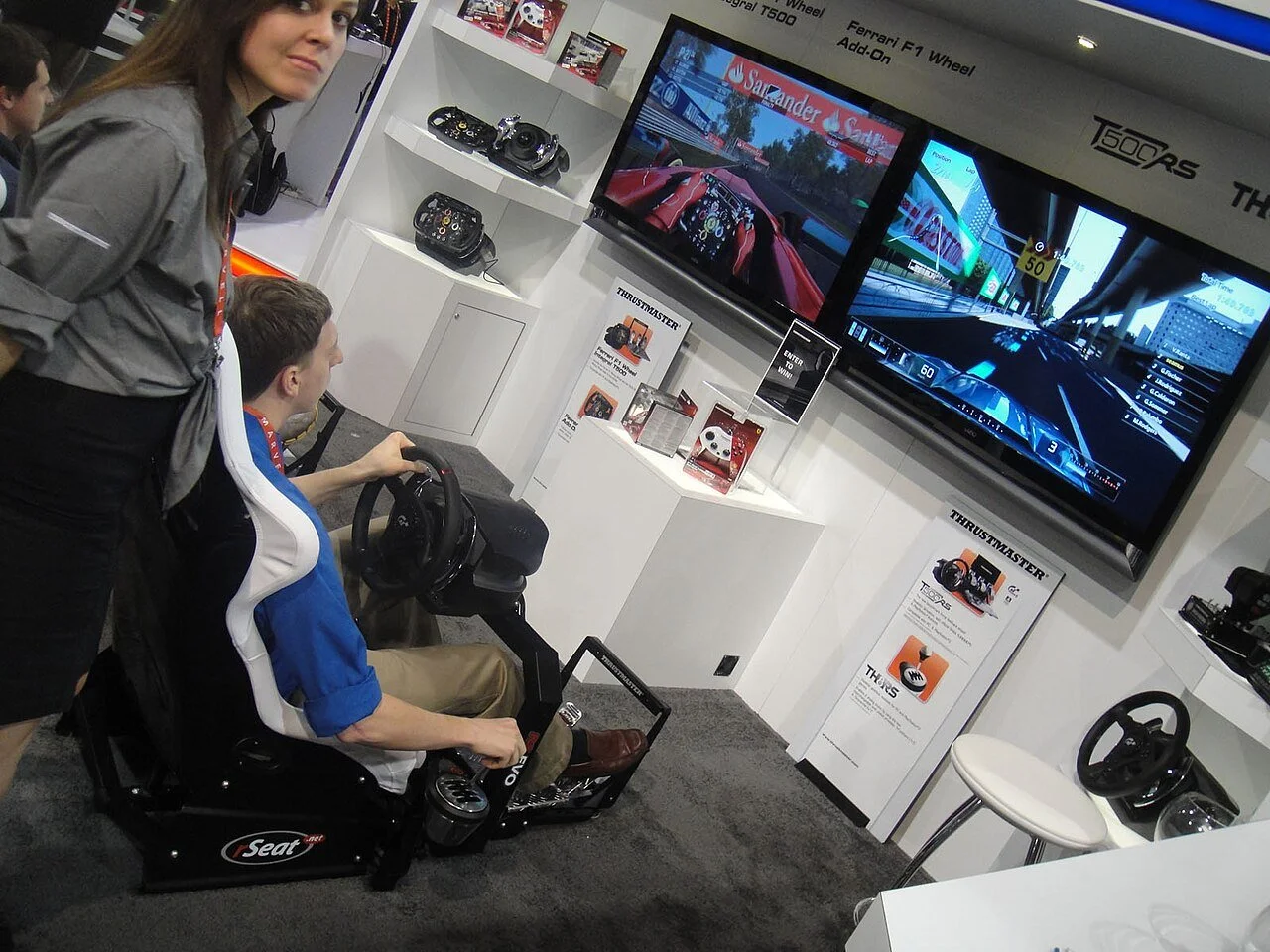
Can we make the same argument for video games? The problem with comparing a steering wheel to a conventional video game controller is that the former was designed around a relatively specific set of actions, whereas the latter is expected to accommodate an almost indefinite number. The mechanical requirements of a fighting game bear little resemblance to those of a city builder, a first-person shooter or a role-playing game. In fact, we need only look at racing games, where many enthusiasts buy dedicated steering wheels, to see players abandon conventional controllers for an interface better suited to the activity at hand.
The success of the conventional controller, therefore, might tell us more about its versatility than its optimality.
The commercial implications
There are, naturally, considerable commercial advantages to maintaining a standardized controller. For manufacturers, it reduces the risk associated with introducing unfamiliar hardware. For developers, it provides a predictable set of inputs around which mechanics can be designed. For consumers, it means purchasing a single piece of hardware capable of accommodating thousands of games, while retaining much of the muscle memory accumulated through years, sometimes decades, of playing them.
The relationship between these three parties is particularly interesting because it creates a self-reinforcing cycle. Manufacturers produce controllers according to established conventions, developers design games around those controllers, and players familiarize themselves with the resulting control schemes. The player's familiarity then becomes another incentive for manufacturers to keep the original design. Each party has a perfectly reasonable justification for maintaining the status quo, yet the collective result is an industry with relatively little incentive to reconsider the interface itself.
Dr. Yonemura identifies a similar problem in the consequences of standardization:
“What bothers me is that we standardized the controller and then made it normal to force one standard way of playing onto every player.
That's why I'm convinced today's AI is finally making the opposite design practical: the machine, and the whole control scheme, adapting to the player.”
The question is whether we have reached a point where the familiarity and commercial convenience of conventional controllers have begun to outweigh concerns about their suitability for individual games.
The Historical Arbitrariness of Keyboard and Mouse
If the conventional console controller is an example of an interface whose original design has largely persisted, the keyboard and mouse constitute an arguably more peculiar case. Unlike the PlayStation or Xbox controller, neither the conventional keyboard nor the mouse originated as hardware specifically designed for video games. Their adoption as gaming interfaces was, to a considerable extent, a consequence of their availability. They were the tools users already used to interact with their personal computers, and using them to interact with video games was a perfectly logical extension of that functionality.
The arbitrariness of this development becomes particularly apparent when we examine the keyboard itself. We have a piece of hardware comprising letters, numbers, punctuation marks, and a plethora of functions intended for purposes largely unrelated to video games. Through software, we have repurposed these components to accommodate virtual actions. The letter R becomes the act of reloading a firearm, the spacebar becomes the act of jumping, and four letters, W, A, S, and D, become the primary means through which we navigate three-dimensional environments.
Had the personal computer originally been conceived as a machine exclusively dedicated to video games, would we have designed a controller made up of the letters of the alphabet, arranged according to conventions inherited from the typewriter? Probably not. Yet here we are, decades later, manufacturing keyboards specifically marketed towards gamers, whose foundational layout remains that of a writing instrument.
Convenience and functional superiority
It is important to clarify what “arbitrary” means in this context. The historical circumstances that made a particular interface dominant tell us relatively little about its subsequent effectiveness. The keyboard and mouse can have arbitrary origins as video game controllers while simultaneously being exceptionally well suited to certain forms of play. In fact, their respective strengths, namely the precision of the mouse and the abundance of discrete inputs offered by the keyboard, make them particularly effective in genres such as first-person shooters, real-time strategy games and simulations.
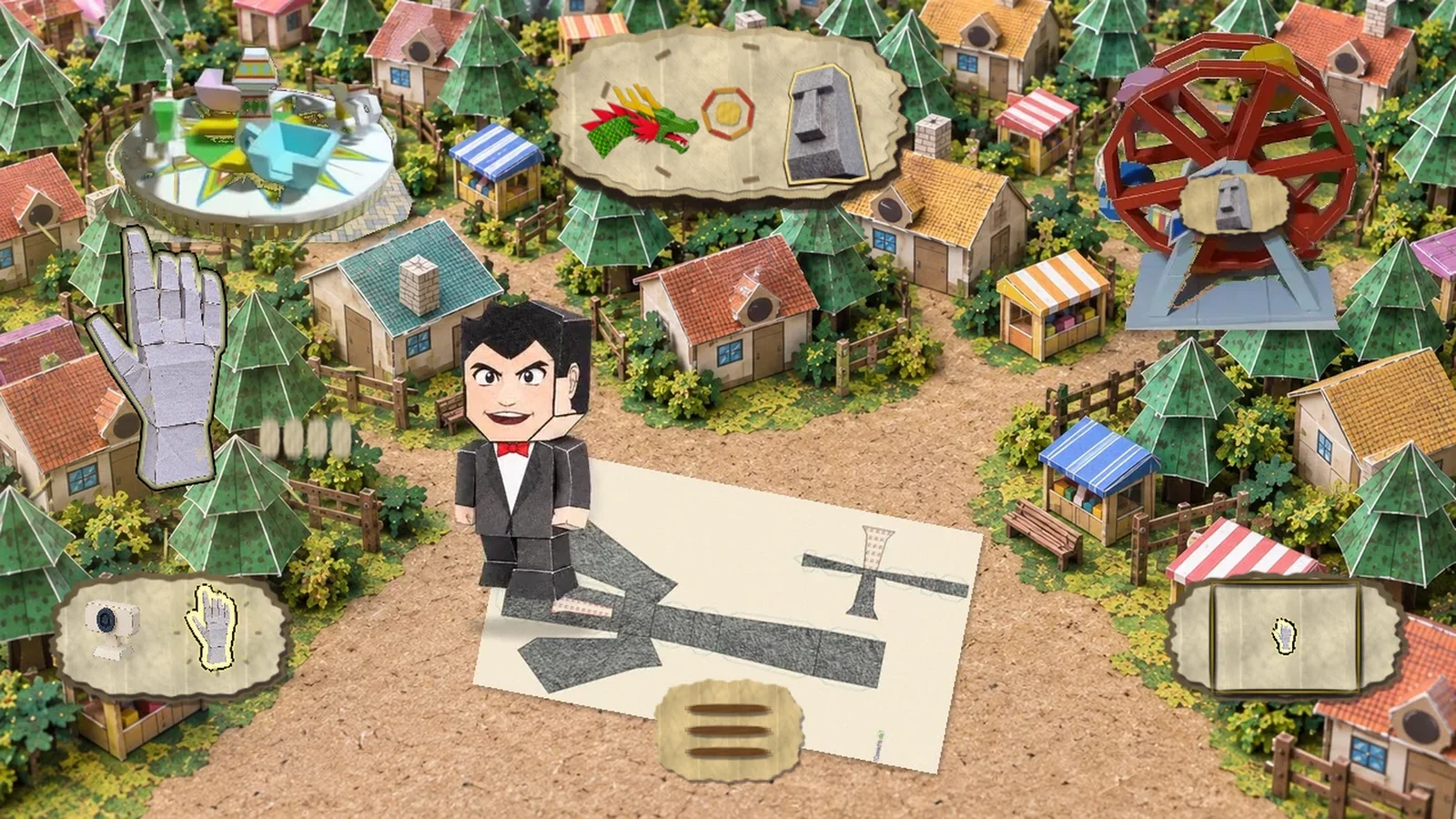
Battle Shiryu - https://store.steampowered.com/app/5398150/Battle_SHIRYU/
Dr. Yonemura makes a similar distinction in his response to our question regarding the arbitrary nature of keyboard and mouse:
“They do have two real advantages: people are used to them, and they're mass-produced, so they're cheap. As a programmer, I'd hate for anyone to change a keyboard layout that goes back to the typewriter, and the link between my mouse and the cursor is in my muscle memory.
Personally, though, games that make me combine the mouse with lots of keys have started giving me finger cramps (laughs). It's just too complicated.
Using them for every kind of game simply because they're cheap, or because "they come with the computer, so they're the safe choice," feels like a stretch to me. It's like grabbing bowling balls for a basketball game because there happen to be lots of them lying around. Plenty of injuries. That's a joke, of course...
In strategy and simulation games, the mouse lets you point precisely and the keyboard lets you issue lots of commands, so there are places where they fit well. Whether they suit every game, every kind of play and every form of entertainment is another question.”
The distinction between convenience and suitability is fundamental to this discussion. An interface that performs exceptionally well in a particular context hardly argues for its universal application. Conversely, the fact that an interface was originally designed for a different purpose does little to invalidate its effectiveness as a gaming controller.
The question we ought to ask ourselves is whether, given the opportunity to design an interface around the mechanical requirements of a particular video game, we would arrive at the same configuration.
The illusion of intuitiveness
Another consequence of the historical dominance of keyboard and mouse is the extent to which learned behaviour has become conflated with intuitiveness. To someone who has spent the better part of their life playing video games on a computer, navigating a virtual environment using WASD while simultaneously manipulating the camera with a mouse feels almost instinctive. The relationship between the physical input and its virtual manifestation has been internalized to such an extent that the player rarely has to consciously consider it.
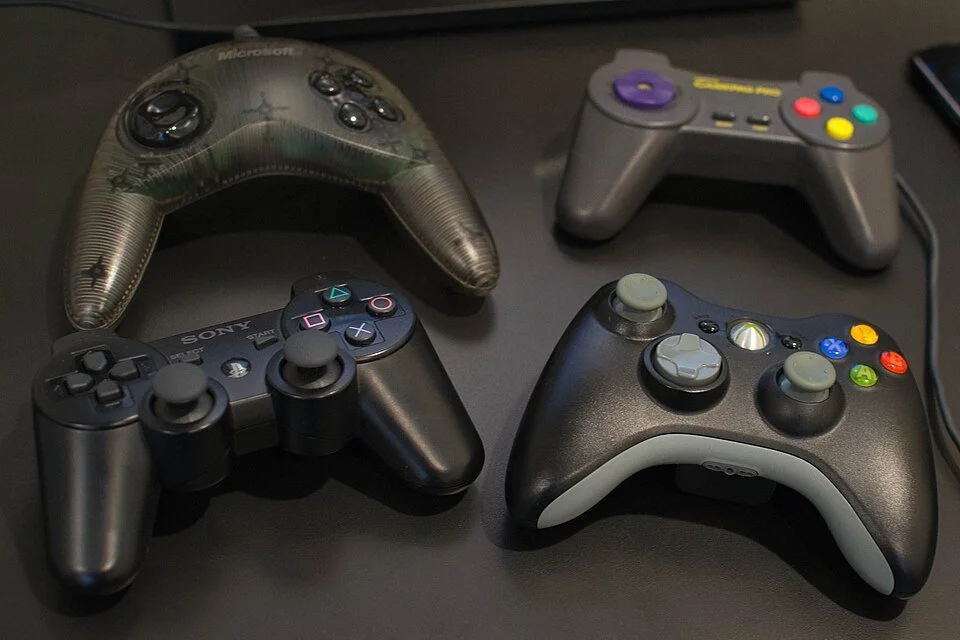
Imagine, however, introducing someone who has never played a video game to this control scheme. We would have to explain that pressing W moves their character forward, that moving the mouse changes the direction in which the character looks, that the spacebar allows them to jump and that the various letters surrounding their left hand perform a series of largely unrelated actions. There is very little in the physical design of the keyboard itself that communicates these functions to the inexperienced player.
The same argument can be made for conventional console controllers, albeit to varying degrees. An analog stick offers a relatively intuitive relationship between physical direction and virtual movement. The association between a particular face button and the act of interacting with an object, however, is often something we have learned through repetition. Even the conventions that appear most natural to experienced players are, in part, the product of decades of conditioning.
Perhaps what we perceive as an intuitive interface is, in many instances, simply an interface we have already learned.
The Universal Controller Problem
Video games are somewhat unique in how much a single physical interface is expected to accommodate fundamentally different activities. Consider the difference between playing a football game, flying an aircraft, managing the economy of a medieval civilization, and engaging in hand-to-hand combat. Each of these activities, when translated into a virtual environment, introduces its own mechanical requirements, yet we expect to communicate our intentions in all four instances through the same collection of buttons and analog sticks.
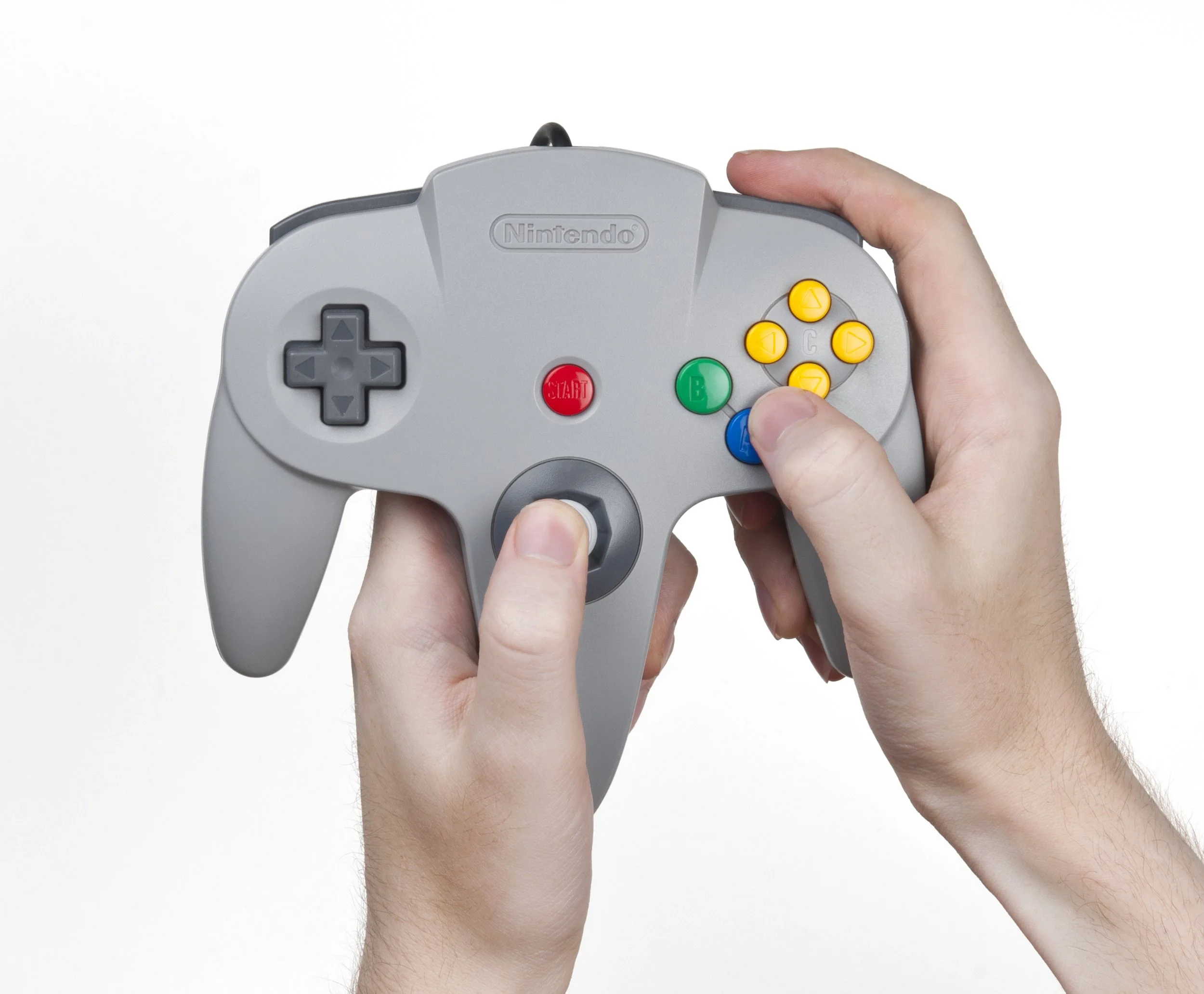
If we were to examine these activities independently of video games, the idea of using the same tool for all of them would appear somewhat absurd. Of course, the abstraction inherent to video games is precisely what allows us to engage in activities that would otherwise require entirely different equipment, physical capabilities, or expertise. Nobody reasonably expects a player to learn how to operate an actual aircraft before playing a flight simulator. Nevertheless, there is a difference between abstracting an activity to make it accessible and restricting how a player can interact with that abstraction.
The conventional controller is a compromise, one that prioritizes versatility, familiarity, and accessibility across an enormous variety of software. The problem arises when this compromise begins to influence the design of the software itself.
Specialized controllers and their limitations
The gaming industry has already acknowledged, to some extent, the limitations of universal interfaces. Racing wheels, flight sticks, arcade sticks, dance mats and various other specialized controllers exist precisely because certain forms of play benefit from different physical configurations. Interestingly, some of these interfaces do more than improve how efficiently a player can execute an action. They change the nature of the experience itself. Playing a racing game with a steering wheel, for instance, introduces a different physical relationship between the player and the simulated vehicle.
Why, then, has specialized hardware remained relatively niche? The answer is, once again, partly commercial and partly practical. Purchasing a dedicated controller for every genre we enjoy would be expensive, inconvenient and, for many players, entirely unnecessary. There is also the matter of software compatibility, physical space, configuration and the learning process associated with each additional device.
Dr. Yonemura addresses this particular problem through the example of a Japanese train simulation game:
“Dedicated controllers, like the train controller for Densha de Go!, can be a fun experience in themselves. But if they add more to learn about connecting, configuring and setting up, that new burden can stop people from taking the first step.”
The solution to the universal controller problem, therefore, need not involve manufacturing hundreds of different pieces of hardware. There is an inherent appeal to the versatility of conventional controllers, one that we should be careful not to sacrifice in our pursuit of more suitable interfaces. What deserves reconsideration is the assumption that the same physical configuration, coupled with relatively conventional methods of input interpretation, should constitute the default solution to every conceivable form of player interaction.
Crimson Desert: When the Controller Becomes the Limitation
In March 2026, PROC3SS published a review of Crimson Desert, the South Korean action RPG developed by Pearl Abyss. One of our primary points of interest was the game's mechanical depth, particularly the abundance of actions, combinations and contextual interactions available to the player. The sheer number of possibilities offered by its combat system was one of its most interesting qualities. It was also, somewhat paradoxically, the source of one of our frustrations with the game.
Playing Crimson Desert with a conventional controller presented an interesting problem. There were considerably more actions available within the game's combat system than there were immediately accessible physical inputs on the controller. To accommodate these actions, the control scheme necessarily relied on combinations, contextual inputs and the assignment of multiple functions to individual buttons. The result was a combat system whose mechanical possibilities could, at times, be difficult to access efficiently through the available interface.
This is hardly a problem exclusive to Crimson Desert. Any video game whose mechanics require a greater number of commands than its intended controller can comfortably accommodate will eventually have to resort to some form of input layering. Holding a shoulder button might change the functionality of the face buttons, pressing two buttons simultaneously might trigger an entirely different action, and the meaning of an input might change depending on the player's current circumstances.
These are perfectly reasonable solutions to a practical problem. What is interesting, however, is the origin of the problem itself.
The controller as a mechanical bottleneck
Suppose a player understands the various mechanics of a combat system, recognizes the appropriate circumstances in which to use them and possesses the strategic understanding necessary to make effective decisions. If that player nevertheless struggles to communicate those decisions to the game, where exactly does the difficulty reside?
In the case of Crimson Desert, the complexity of the control scheme could occasionally make the execution of certain combinations more cumbersome than the strategic decision to use them. There is a fundamental difference between understanding that a particular attack would be effective in a given situation and remembering the precise sequence of physical inputs required to perform it. The former concerns the player's understanding of the game's systems, whereas the latter concerns their understanding of the interface.
The problem becomes particularly relevant when players begin gravitating towards mechanics that are easier to execute. If a player consistently resorts to a limited number of attacks because accessing the remainder of the combat system is inconvenient, the interface has effectively reduced the portion of the game's mechanical depth with which that player engages. The mechanics remain present in the software, yet their practical accessibility has changed.
One could spend hundreds of hours mastering the control scheme, and in doing so overcome much of this difficulty. The question is whether those hundreds of hours would be spent mastering the game, the controller, or some combination of the two.
Mechanical Complexity and Input Complexity
There are two forms of complexity at the heart of this discussion, which, despite their considerable overlap in practice, ought to be distinguished from one another. The first concerns the complexity of the game itself, namely its rules, mechanics, systems and the relationships between them. The second concerns the complexity of communicating with those systems through a physical interface.
Consider a real-time strategy game. Understanding the economic consequences of constructing a particular building, the strategic value of attacking an opponent at a specific moment, or the relationship between different types of military units constitutes one form of proficiency. Being able to select those units, navigate the relevant menus, issue the necessary commands and execute the strategy within a limited period constitutes another. Both contribute to the player's overall performance, yet they involve considerably different skills.
Dr. Yonemura showcases the voice-control in Voice Battler!
When asked whether controllers should be designed around particular games or genres, Dr. Yonemura made this distinction particularly apparent:
“Some people enjoy mastering a complex control scheme, and that's fine. But unless complex input is the point, like pulling off special moves in a fighting game, I think the responsibility lies with the game designer. If you need training before you can even start playing, what kind of punishment game is that?
Maybe I feel this way because I've always found reading the controls manual a chore every time I start a new game...
Complexity in the game itself is great. Mastering a complicated world and its tactics is exactly what makes games fun. But when mastering the controls is required too, it's hard to tell whether you're playing a game or doing training.
Even if the controls run deep, you should be able to press something and start playing, then get comfortable with the controls naturally as you go. Games are more fun when the design absorbs the complexity.”
This distinction is particularly important because difficulty and complexity are frequently conflated in discussions surrounding video games. Increasing the number of inputs required to perform an action can make that action more difficult to execute without necessarily introducing any additional complexity to the system within which it occurs. Conversely, a game can present the player with incredibly complex strategic decisions while requiring relatively simple physical inputs.
Chess is perhaps the most obvious example. The act of moving a piece from one square to another requires very little physical proficiency, yet the implications of that movement can be extraordinarily complex. Would chess become a strategically deeper game if players were required to execute a complicated sequence of physical movements before moving a piece? It would certainly become more difficult, although the nature of that difficulty would be considerably different.
When execution is the point
There is, naturally, a danger in taking this argument too far. The physical execution of an action can constitute an integral part of the experience a game is attempting to produce. In a fighting game, for instance, the ability to execute a particular combination under pressure, within a specific window of opportunity, can be as strategically significant as the decision to attempt the combination in the first place. The same can be said for rhythm games, competitive shooters and various other genres in which the relationship between physical execution and virtual action constitutes a fundamental part of the gameplay.
To remove these requirements indiscriminately would be to fundamentally alter the games themselves. A fighting game in which every complex combination could be executed instantaneously through a single input would produce a different competitive environment, one in which certain skills would lose their relevance while others would become more prominent.
The objective, therefore, should hardly be the complete eradication of input complexity. What deserves scrutiny is whether a particular form of input complexity exists as a deliberate component of the gameplay, or as a consequence of the limitations of the interface through which that gameplay is accessed. In the former instance, the difficulty can be understood as part of the game's design. In the latter, it may simply be a problem that the designer has had to accommodate.
Possessed Kingdom and the separation of strategy from execution
An interesting example of a developer deliberately reconsidering this relationship can be found in Possessed Kingdom, a game recently featured on PROC3SS. Drawing inspiration from conventional real-time strategy games such as Age of Empires and StarCraft II, its developer, Josep, sought to preserve much of the strategic appeal of the genre while reducing the mechanical demands traditionally associated with it.
Through a combination of turn-based preparation, deckbuilding and automated combat, Possessed Kingdom allows players to engage with concepts such as economic development, military production, build orders and counterplay without simultaneously having to execute them at the pace expected of a competitive RTS player. During our time with the game, we found that much of the pleasure associated with conventional RTS games remained present, despite the absence of high-APM execution.
The example is particularly relevant because it demonstrates that a developer can reconsider which skills their game ought to reward. Possessed Kingdom inevitably sacrifices certain dimensions of traditional real-time strategy, particularly those concerned with micromanagement and the execution of decisions under time pressure. In doing so, however, it makes other dimensions of the genre more accessible to a different demographic of players.
Could we achieve something similar through the reconsideration of our interfaces, without necessarily altering the foundational systems of the games themselves?
The Procedural Rhetoric of the Controller
Returning to Bogost's concept of the possibility space, the controller occupies a particularly interesting position within the relationship between the player and the video game. Broadly speaking, the possibility space constitutes the range of possibilities generated by the game's rules and processes. Through interaction, the player explores this space, familiarizes themselves with its limitations and develops an understanding of the relationships between its various components.
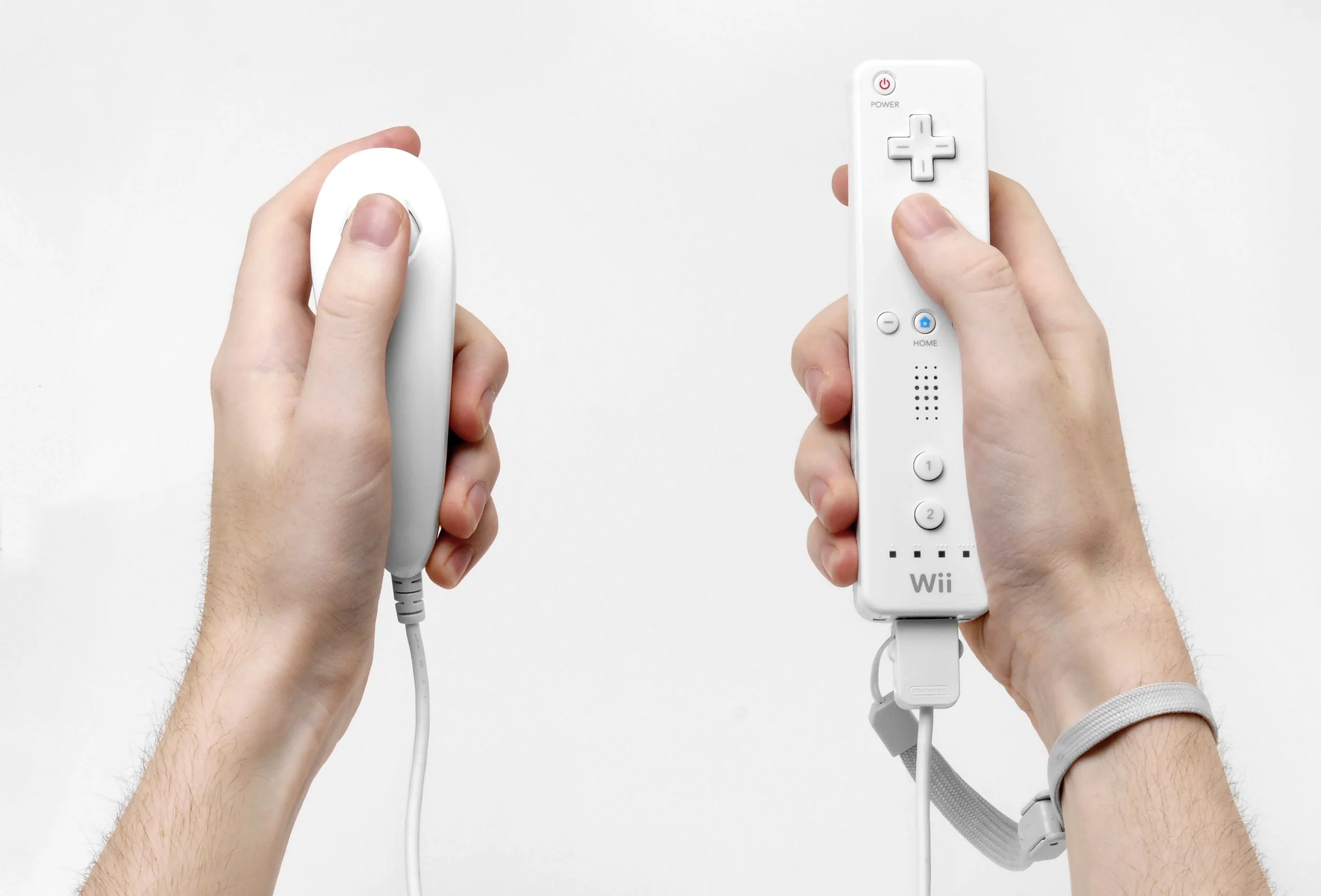
The controller is the means through which much of this exploration occurs. Its significance, however, extends beyond facilitating interaction. If the controller, alongside the control scheme, determines how easily or difficultly particular actions can be performed, it also shapes how the player explores the possibility space. Some possibilities become immediately accessible, others require considerable practice, and some may remain largely unexplored despite being technically available.
This creates a distinction between the possibilities afforded by the game's procedural systems and those practically accessible to the individual playing it. The two are intrinsically related, yet they need not necessarily coincide.
Theoretical agency and practical agency
Suppose a video game provides its players with a hundred different actions. From a structural perspective, all hundred actions constitute possibilities within the game's systems, provided the relevant conditions for their execution are met. If, however, only twenty of those actions can be conveniently executed through the player's chosen interface, the practical relationship between the player and the remaining eighty becomes somewhat more complicated.
The player still possesses the theoretical ability to perform those actions. What has changed is the relative effort required to access them. Depending on the circumstances, the player might find it more advantageous to repeatedly engage with a smaller portion of the game's mechanics than to familiarize themselves with the entire control scheme.
This distinction between theoretical and practical agency is especially relevant to analyzing mechanically complex video games. When examining the freedom afforded to the player, we tend to focus on the number and variety of possibilities the software offers. Yet the existence of a possibility tells us little about how easily a particular player can actualize it. A more comprehensive understanding of player agency should consider the conditions under which those possibilities become accessible, including the interface's physical and cognitive demands.
In this sense, the controller can be understood as a mediating layer between the agency afforded by the game's systems and the agency exercised by the player.
The production of player subjectivity
From a procedural rhetoric perspective, this mediation becomes particularly interesting. At PROC3SS, much of our analysis focuses on how video game mechanics and processes produce particular experiences, encourage particular forms of behavior, and, through repeated interaction, contribute to the production of player subjectivity. A player gradually develops an understanding of what the game expects of them, which actions are advantageous and which forms of behavior are rewarded or punished.
The interface can contribute to this process by establishing its own hierarchy of accessibility. A frequently used action assigned to an immediately accessible button is likely to occupy a different position in the player's experience than an equally viable action requiring several simultaneous inputs. The latter might offer considerable mechanical advantages, yet the physical and cognitive effort of executing it adds another consideration to the player's decision-making.
Consider, once again, the example of Crimson Desert. If the complexity of the control scheme encourages a player to repeatedly resort to a limited selection of attacks, the resulting playstyle is partly a consequence of the interface. The game's procedural systems might encourage experimentation through the variety of attacks and combinations available, while the control scheme simultaneously discourages certain forms of experimentation through the effort required to execute them.
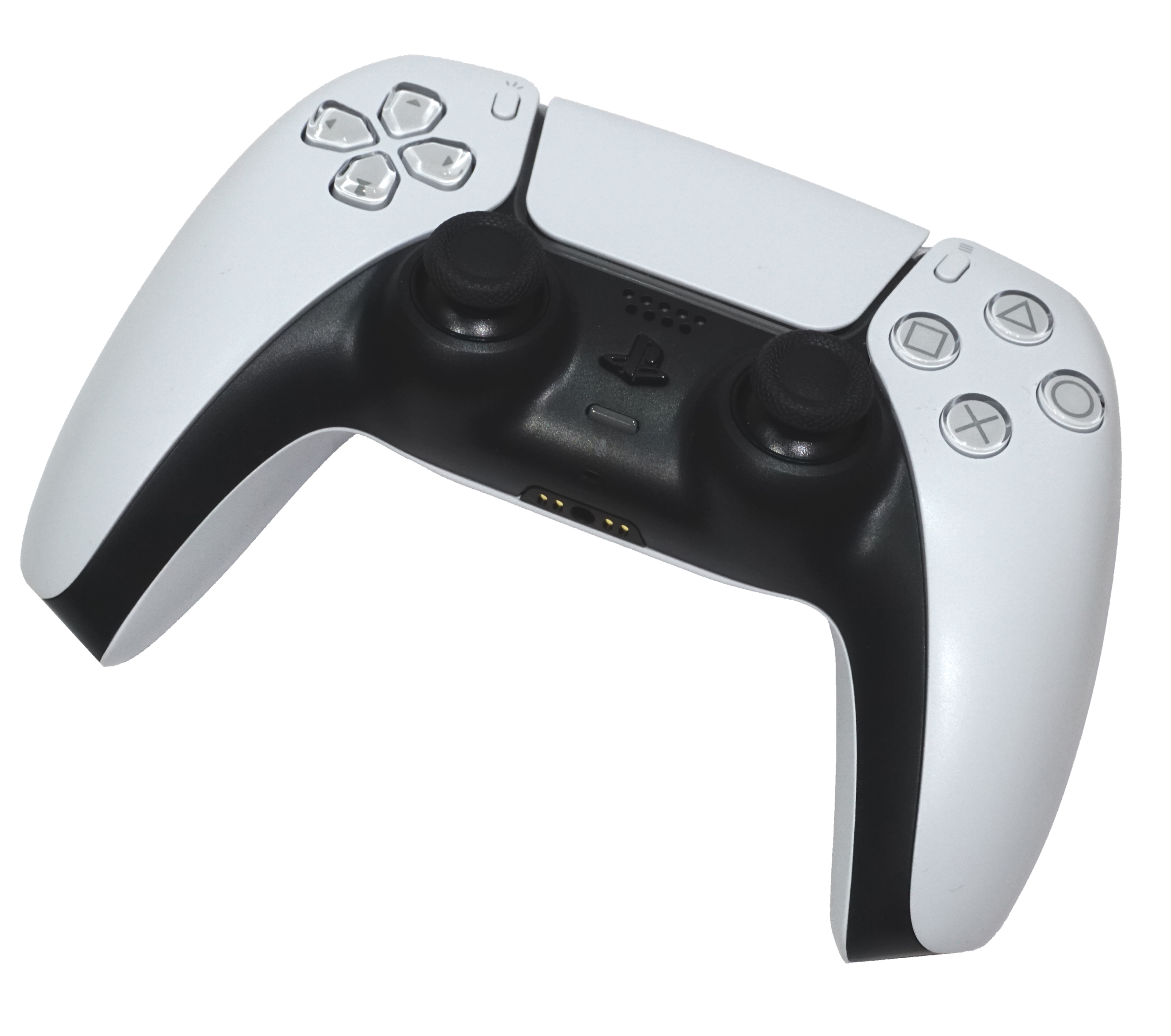
In other words, the two can produce competing incentives.
This does not necessarily mean that the physical controller possesses an independent procedural rhetoric in the same sense as the game's computational processes. The rhetoric emerges through the relationship between the physical interface, the mapping of its inputs, the software's interpretation of those inputs, and the consequences experienced by the player. Through repeated interaction with this relationship, particular patterns of behavior can develop.
One game, two experiences
The implications of this argument become particularly apparent when we consider players using different interfaces to interact with the same video game. Two players might be presented with identical rules, mechanics and virtual environments, yet the relative accessibility of individual actions could differ considerably depending on their respective controllers. One interface might make a particular strategy relatively convenient to execute, whereas another might make the same strategy considerably more demanding.
Over time, these differences could encourage the development of different playstyles, different priorities and, consequently, different relationships with the game's procedural systems. The possibility space remains structurally identical, yet the manner in which it is explored differs.
For game studies, and particularly for the analysis of procedural rhetoric, this raises an interesting methodological question. To what extent can we examine the experience produced by a video game's mechanics independently of the interface through which those mechanics are experienced? If the interface can influence the player's decisions, their perception of difficulty and the strategies they develop, perhaps it deserves considerably more attention in our analyses than it has traditionally received.
The controller is, after all, the point at which human intention encounters the rules of the virtual world.
Who Should Adapt?
Throughout much of video game history, we have largely accepted that the responsibility for adaptation lies with the player. When we buy a new game, we familiarize ourselves with its control scheme, learn the relationships between physical inputs and virtual actions, and gradually develop the muscle memory needed to interact with its systems efficiently. The process has become such an integral part of the video game experience that we rarely consider reversing it.
Dr. Yonemura showcases the webcam controls in Battle Shiryu
Of course, there are good reasons to retain predictable and consistent relationships between inputs and actions. Players need to understand the consequences of their physical interactions, particularly in games where precision, timing and consistency are fundamental to the experience. Nevertheless, the technological capabilities of contemporary video games invite us to reconsider how much of the adaptation process should remain the player’s responsibility.
When asked which fundamental assumption about human-game interaction he would most like to change, Dr. Yonemura responded:
“The assumption I'd change may sound too simple. Here it is: "Why should players have to learn exactly how to operate a game?!"
I'm impatient. I want to play the game, not study how to operate it.
Read the manual, memorize the button layout, adjust the analog stick in the settings, practice in the tutorial.
Sure, you could think of that as grinding levels, like in an RPG. But if every game makes you level up your controls first... to put it bluntly, I sometimes catch myself thinking, "Any game you have to practice before you can play is a kusoge!" (laughs). Then again, I'm the one dutifully practicing the controls every time, so maybe the real kusoge here is me.
That's really my reaction to how hard it is to make controls that simple.”
The comparison between familiarizing oneself with a control scheme and grinding levels in a role-playing game is particularly revealing. In the latter instance, the player engages with a process deliberately designed to produce a sense of progression. In the former, the player gradually acquires the proficiency needed to engage with the processes that produce the experience in the first place. While both can undoubtedly be satisfying, their respective purposes are considerably different.
What if a portion of this preparatory process could be eliminated? What if the technological advancements that have allowed video games to simulate increasingly complex environments could also be used to improve how those environments interpret human intention?
Conclusion: The Controller Problem
The controller problem, as we have attempted to establish throughout this article, concerns more than the relative stagnation of a particular piece of hardware. It concerns the relationship between the increasing mechanical capabilities of video games and the means through which players can interact with them. It concerns the historical circumstances that have led us to adopt certain interfaces, the commercial incentives that have encouraged their continued use, and the extent to which their limitations can influence the design and experience of video games.
Neither the conventional controller nor the keyboard and mouse should be considered inherently inadequate. Their longevity is, in many respects, a testament to their versatility and effectiveness. What ought to be questioned is their perceived universality, particularly in a medium whose mechanical, technological and creative possibilities continue to expand. The tools we use to explore these possibilities deserve a degree of scrutiny comparable to that which we apply to the possibilities themselves.
Perhaps the next major development in video game controllers will involve entirely new hardware. Perhaps it will involve reconsidering how existing hardware is used. Or perhaps the most significant development will occur within the video games themselves, through their ability to interpret inputs with a degree of flexibility that was previously technologically impractical.
As Dr. Yonemura explains:
“What we can cut dramatically is the preparation and practice needed just to enter a game world. I used to think that was a pipe dream, but clever uses of AI are making it realistic, and without any new hardware.
Instead of combining A, B, X, Y, L and R (and more?), a game could let AI understand what the player means and turn a simple motion or a vague phrase into a complex action.”
For decades, video game development has required increasingly elaborate languages for communicating with them. We have learned to associate letters with movements, button combinations with physical actions, and analog-stick manipulation with navigating virtual environments. We have become remarkably proficient at translating human intention into a language that video games can understand.
Is it perhaps time we started teaching video games to understand ours?
In Part II, PROC3SS will explore the possibilities and limitations of alternative gaming interfaces through Dr. Takahiro Yonemura's research into contactless interaction, gesture recognition, voice-controlled gameplay and AI-mediated interpretation of player intention. Through his experimental games, BATTLE SHIRYU and Voice Battler, we will examine what happens when the responsibility of adaptation begins to shift from the player to the game.
Special thanks to Dr. Yonemura. Check out Battle Shiryu on Steam!
